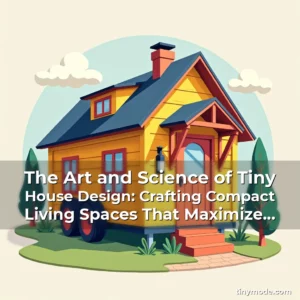
The Art of Space Optimization: Mastering Tiny House Design Principles
Tiny house living is not merely about downsizing; it’s an intentional lifestyle choice that prioritizes efficiency, sustainability, and mindfulness. As the movement gains momentum, innovative design solutions are redefining what it means to live comfortably within limited square footage.
This comprehensive guide explores how architects and homeowners alike are transforming compact spaces through clever spatial organization, multifunctional furniture systems, and eco-conscious materials. From maximizing natural light to implementing smart storage solutions, we’ll uncover the secrets behind creating functional yet beautiful homes under 500 square feet.
Fundamental Concepts in Compact Living
The foundation of any successful tiny house lies in its structural framework. Unlike conventional homes, these dwellings require meticulous planning from the outset. A well-thought-out floor plan can make all the difference between a cramped space and a harmonious living environment.
Ceiling heights play a crucial role in perception of space. While standard ceiling heights range from 8 to 9 feet, some designers opt for vaulted ceilings or strategic lighting placements to create a sense of openness without compromising headroom. This visual trickery helps maintain a feeling of spaciousness even in smaller footprints.
Material selection becomes particularly significant when working with limited dimensions. Lightweight composites, engineered wood products, and recycled steel offer strength while minimizing overall weight. These choices also contribute to energy efficiency by reducing thermal bridging and improving insulation performance.
The orientation of rooms relative to each other impacts functionality significantly. Open-concept layouts have become increasingly popular as they eliminate unnecessary walls and allow better flow between different areas. However, careful zoning remains essential to maintain distinct functions within shared spaces.
- Multifunctionality: Furniture pieces often serve dual purposes such as Murphy beds that convert into workstations during the day or dining tables that transform into desks
- Vertical Utilization: Wall-mounted shelves, overhead cabinets, and loft sleeping arrangements maximize usable space without encroaching on ground level area
- Modular Components: Interchangeable wall panels and adjustable shelving systems enable easy reconfiguration based on changing needs
Lighting strategies go beyond mere illumination. Natural daylight has proven psychological benefits, but artificial lighting must complement this with appropriate color temperatures and placement. Task lighting over work surfaces, ambient lighting for general use, and accent lighting to highlight architectural features form a cohesive system.
Innovative Spatial Organization Techniques
One of the most transformative approaches involves utilizing hidden compartments and built-in storage solutions. Custom-designed cabinetry integrated into walls and floors creates seamless storage without sacrificing aesthetics. These solutions often include pull-down ladders, rotating platforms, and lift-and-fold mechanisms.
Sliding doors and pocket doors provide flexible room divisions without consuming precious square footage. When open, they merge adjacent spaces; when closed, they define separate zones while maintaining visual continuity. This adaptability allows owners to customize their living environments according to daily requirements.
Sustainable building practices extend beyond material selection. Passive solar heating principles involve orienting windows strategically to capture winter sun while using shading devices to block summer heat gain. Proper insulation levels and air sealing techniques ensure year-round comfort without excessive energy consumption.
Eco-friendly finishes contribute both to health and durability. Low-VOC paints, natural linoleum flooring, and non-toxic sealants reduce indoor pollutants while providing long-lasting protection against wear and tear. Choosing sustainable materials also supports environmentally responsible manufacturing processes.
Statistical Insights on Tiny Home Occupancy
According to recent surveys conducted by the AmericanTinyHouseAssociation.org, approximately 65% of current tiny home occupants report increased satisfaction with their quality of life compared to traditional housing. Notably, 82% cite reduced stress levels due to simplified lifestyles and decreased maintenance responsibilities.
These findings align with studies showing that individuals who embrace minimalist living tend to experience improved mental clarity and emotional stability. With fewer possessions to manage and less physical space to clean, residents find themselves with more time for personal development and meaningful relationships.
Designing Functional Living Spaces
Kitchen design presents unique challenges given the need for counter space, storage, and workflow efficiency. Pull-out drawers beneath countertops provide access to frequently used items without requiring extra room. Vertical storage options like magnetic knife strips and spice rack columns optimize cabinet space effectively.
Bathroom innovations focus on water conservation and efficient layout. Composting toilets and greywater recycling systems minimize resource usage while maintaining sanitation standards. Corner showers with sliding glass doors save space without sacrificing shower size or ease of use.
Bedrooms benefit from vertical expansion possibilities. Loft beds with built-in storage underneath free up valuable floor space while providing additional sleeping accommodations. Fold-out sofa beds offer flexibility for guests without permanent fixtures taking up prime real estate.
Living areas incorporate versatile seating configurations. Modular couches with removable cushions allow rearrangement depending on social needs. Coffee tables featuring built-in charging stations cater to modern technological demands without cluttering the space.
Smart Technology Integration
Modern tiny houses leverage automation systems to enhance convenience and security. Smart thermostats regulate temperature efficiently while learning user preferences over time. Motion-sensor lights activate only when needed, conserving energy without compromising safety.
Integrated audiovisual setups streamline entertainment options. Hidden speakers embedded in walls deliver high-quality sound coverage without visible equipment. Television mounting solutions utilize swing arms or retractable brackets to preserve unobstructed views when not in use.
Security systems take advantage of wireless technology for discreet installation. Doorbell cameras with night vision capabilities monitor entry points remotely. Alarm systems connect wirelessly to smartphones for instant alerts and remote control functionality.
Energy monitoring tools help track consumption patterns. Real-time displays show electricity usage across various circuits, enabling users to identify inefficiencies quickly. Solar panel tracking systems optimize power generation by adjusting angle based on seasonal sunlight changes.
Outdoor Living Extensions
Expanding living spaces outdoors offers practical benefits and aesthetic value. Porches equipped with retractable awnings protect against harsh weather conditions while still allowing fresh air circulation. Deck extensions with built-in seating areas provide additional recreational space without increasing footprint size.
Gardens tailored for small spaces utilize container planting methods and vertical gardening techniques. Hanging planters suspended from eaves add greenery without occupying ground-level space. Raised garden beds filled with lightweight soil mixtures support healthy vegetable growth in minimal areas.
Outdoor kitchens feature fold-out counters and portable appliances stored in designated lockers. Grills mounted on wheels facilitate easy movement between cooking and cleaning stations. Lighting elements like LED string lights create ambiance without electrical complexity.
Pergolas covered with climbing plants provide shade naturally while enhancing curb appeal. Retractable screens attached to window frames offer insect protection during warmer months. Outdoor rugs made from quick-drying synthetic fibers withstand frequent use and weather exposure.
Community Considerations in Tiny Housing
Living in a tiny house community fosters unique social dynamics and cooperative living models. Shared facilities like laundry rooms, tool sheds, and common gathering areas promote neighborly interactions and resource sharing among residents.
Landlord-tenant agreements differ significantly from conventional leases due to the nature of tiny house communities. Many operate on co-housing principles where members collectively manage property upkeep and decision-making processes. Clear communication channels establish expectations regarding noise levels, guest policies, and maintenance schedules.
Building codes present special considerations for tiny house communities. Zoning regulations vary widely by location, requiring thorough research before purchasing land or constructing new units. Some jurisdictions allow accessory dwelling units (ADUs) on existing properties, offering alternative pathways for legal compliance.
Insurance policies must account for the unique characteristics of tiny homes. Coverage may exclude certain aspects like trailers or off-grid components unless specifically included in policy terms. Consulting with insurance providers familiar with tiny house specifics ensures adequate protection against potential risks.
Transportation logistics pose particular challenges for mobile tiny homes. Regular vehicle inspections guarantee safe operation across varying road conditions. Weight distribution calculations prevent uneven loading that could damage infrastructure or compromise stability during transit.
Financial Planning for Tiny Living
Initial investment costs depend heavily on construction method and material selections. Prefabricated kits generally cost less than custom-built designs, although customization fees apply for specialized features. Used components acquired at auctions or salvage yards further reduce expenses without sacrificing quality.
Ongoing maintenance requires thoughtful budget allocation. Annual inspections of roofing membranes, plumbing lines, and electrical connections help catch issues early before they escalate into costly repairs. Establishing emergency funds covers unexpected expenses related to appliance failures or component replacements.
Utility bills remain notably lower in tiny homes despite comparable service packages. Reduced water consumption from low-flow fixtures translates directly into savings on monthly statements. Energy-efficient appliances combined with passive design elements yield substantial reductions in electricity expenditures.
Additional income streams emerge from creative ventures enabled by simpler living. Freelance opportunities thrive in locations with strong internet connectivity. Starting small businesses leveraging available space opens avenues for financial independence beyond traditional employment structures.
Conclusion
Tiny house design represents much more than just architectural innovation; it embodies a philosophy centered around mindful consumption and environmental stewardship. By embracing these principles, individuals can achieve greater freedom, simplicity, and connection with their surroundings.
To begin your journey towards a more intentional way of living, start by assessing your core values and lifestyle priorities. Explore local tiny house communities, attend workshops, and consult professionals experienced in compact living solutions. Your dream tiny home awaits transformation through informed decisions and inspired creativity.

news is a contributor at TinyMode. We are committed to providing well-researched, accurate, and valuable content to our readers.