
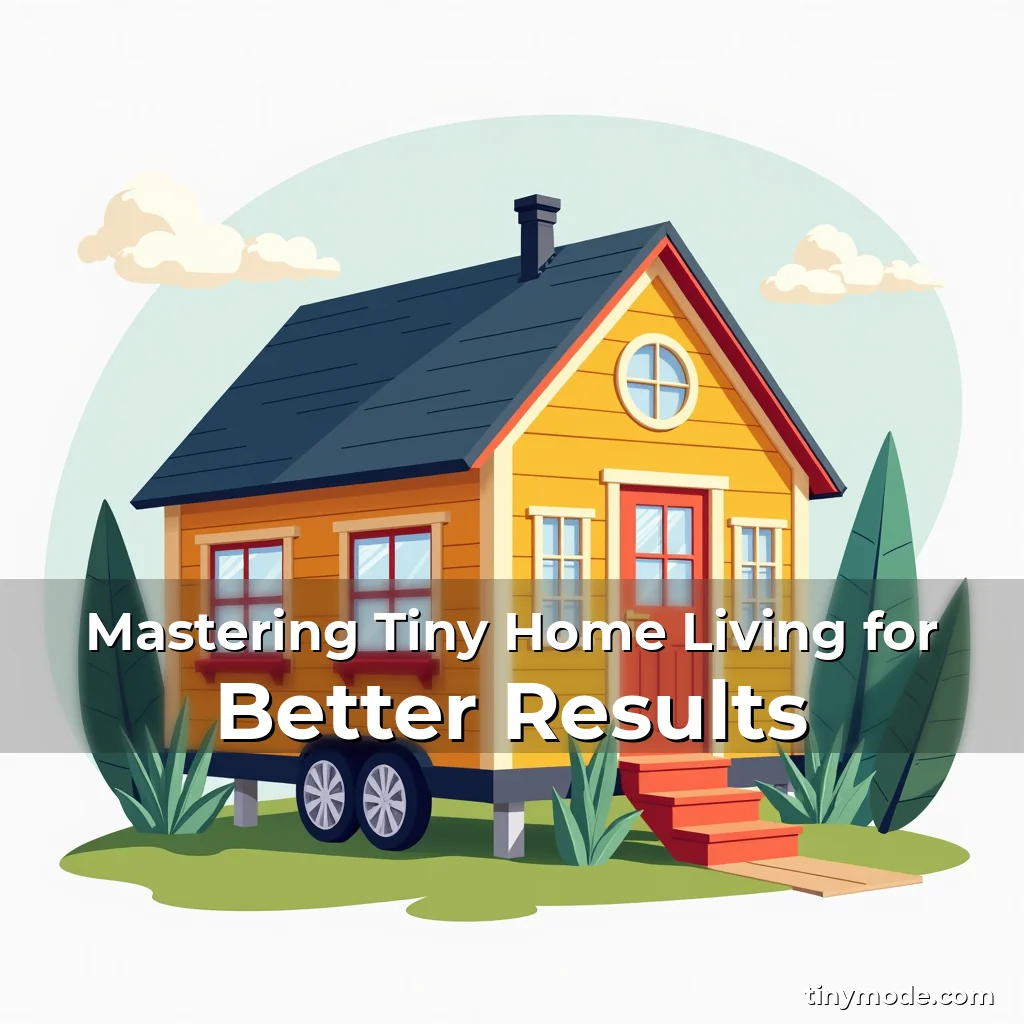
The Tiny Home Revolution: Embracing Simplicity, Space, and Sustainability
Tiny homes are transforming how we think about housing, offering an innovative solution to rising costs, environmental concerns, and lifestyle preferences. These compact dwellings challenge conventional notions of space by proving that less can indeed be more.
With their growing popularity among millennials, retirees, and eco-conscious individuals, tiny homes have become more than just shelters—they’re lifestyles centered around minimalism, sustainability, and intentional living.
Redefining Living Spaces Through Design Innovation
The key to successful tiny home living lies in creative design solutions that maximize every inch of available space. Architects and homeowners alike are reimagining traditional layouts through multifunctional furniture and clever storage systems.
Closet-style beds with built-in drawers beneath provide sleeping quarters while also serving as storage units during the day. Fold-out tables, wall-mounted desks, and Murphy beds exemplify how functionality can seamlessly integrate with aesthetics.
Sliding doors replace fixed walls to
With their growing popularity among millennials, retirees, and eco-conscious individuals, tiny homes have become more than just shelters—they’re lifestyles centered around minimalism, sustainability, and intentional living.
Redefining Living Spaces Through Design Innovation
The key to successful tiny home living lies in creative design solutions that maximize every inch of available space. Architects and homeowners alike are reimagining traditional layouts through multifunctional furniture and clever storage systems.
Closet-style beds with built-in drawers beneath provide sleeping quarters while also serving as storage units during the day. Fold-out tables, wall-mounted desks, and Murphy beds exemplify how functionality can seamlessly integrate with aesthetics.
Sliding doors replace fixed walls to create flexible room configurations. This adaptability allows spaces to transform from a bedroom to a home office within minutes using simple hardware adjustments.
- Multifunctionality: Furniture pieces serve dual purposes—sofa beds double as seating areas at night; kitchen islands incorporate dining surfaces.
- Vertical Utilization: Ceiling-to-floor cabinets store belongings out-of-sight while maintaining open floor plans below.
- Modular Systems: Interchangeable components allow residents to customize their interiors according to changing needs over time.
Smart technology integration further enhances these designs through automated lighting controls, voice-activated appliances, and energy-efficient HVAC systems tailored specifically for small spaces.
Innovative materials play a crucial role too—from lightweight yet durable composites used in flooring to translucent panels allowing natural light penetration without sacrificing privacy.
Economic Advantages of Compact Living
A primary attraction of tiny homes is their affordability compared to traditional housing options. Lower construction costs combined with reduced maintenance requirements make them financially attractive choices for many buyers.
Purchase prices typically range between $30,000–$60,000 depending on size, materials, and customization levels. In contrast, average new home sales exceed $350,000 nationwide, highlighting significant cost savings opportunities.
Owning land often proves more economical than purchasing property outright since most tiny homes operate under different zoning regulations than standard residences.
Monthly expenses related to utilities decrease substantially due to smaller square footage. Electricity bills may drop by up to 80% when properly insulated and equipped with solar power capabilities.
Financial Freedom Beyond Housing Costs
Residents frequently report increased financial flexibility after transitioning to tiny home living. With lower rent/mortgage payments, they allocate funds toward travel experiences, education pursuits, or entrepreneurial ventures rather than housing-related obligations.
Surveys indicate that approximately 75% of tiny home owners experience improved personal finances within two years of making the switch. Many leverage this newfound freedom to invest in stocks, real estate, or start businesses from home offices.
This economic shift encourages minimalist values naturally—when fewer possessions mean less debt and greater liquidity, people tend to prioritize experiences over material goods inherently.
Additionally, insurance premiums remain significantly lower than those required for larger properties, providing another layer of long-term financial security.
Sustainable Lifestyle Choices in Tiny Homes
Environmental consciousness plays a central role in the tiny home movement. Reduced resource consumption aligns perfectly with principles of ecological responsibility and climate change mitigation efforts.
Homes averaging 100–400 sq ft require far fewer building materials than conventional houses. This reduction translates directly into decreased carbon footprints associated with both production processes and transportation logistics.
Energy efficiency becomes achievable through passive heating/cooling strategies like strategic window placement, thermal mass utilization, and cross-ventilation techniques designed specifically for limited spaces.
Many tiny homes incorporate renewable energy sources such as rooftop solar arrays or wind turbines to achieve off-grid independence while minimizing reliance on non-renewable resources.
Water Conservation Strategies
Low-flow fixtures reduce water usage dramatically compared to standard bathroom equipment found in typical residences. Rainwater harvesting systems collect and filter precipitation for non-potable uses like flushing toilets or washing dishes.
Greywater recycling technologies enable reuse of wastewater from sinks and showers for irrigation purposes, cutting overall consumption by nearly half in some cases.
Composting toilets eliminate sewage waste entirely by converting human waste into usable fertilizer—a sustainable alternative to municipal sewer connections which consume vast amounts of fresh water daily.
Combined with rain barrels and drip irrigation systems, these innovations help maintain lush greenery even in arid environments where water scarcity remains a pressing concern.
Health Benefits of Minimalist Living Environments
Limited interior space fosters healthier habits by reducing clutter accumulation and promoting organized routines. Studies show cleaner environments correlate positively with mental well-being and physical health outcomes.
Smaller rooms enhance air quality because there’s less surface area for dust mites, mold spores, and other allergens to accumulate. Improved ventilation rates result from simpler ductwork systems common in compact structures.
Natural light exposure increases dramatically inside tiny homes thanks to strategically placed windows maximizing daylight intake throughout the day. This boost supports circadian rhythms and reduces dependency on artificial lighting.
Proximity to nature emerges as another benefit—many tiny homes feature outdoor living spaces or situate near parks, forests, or beaches enhancing occupants’ connection with the environment.
Social Implications and Community Building
Choosing a tiny home lifestyle often leads to stronger interpersonal relationships due to shared living arrangements becoming increasingly popular within certain communities.
Co-housing models thrive in tiny home neighborhoods where neighbors collaborate on communal activities, share resources, and support each other’s goals collectively.
This sense of belonging helps combat loneliness prevalent in modern urban settings characterized by isolation despite high population densities.
Community gardens flourish in such environments, fostering social bonds while simultaneously addressing food insecurity issues affecting millions globally today.
Local workshops and skill-sharing programs emerge organically within these close-knit networks, creating vibrant ecosystems centered around mutual aid and collective growth.
Challenges and Considerations Before Transitioning
While numerous benefits exist, potential obstacles must be acknowledged before committing fully to tiny home life. Zoning restrictions vary widely across regions complicating legal aspects significantly.
Some municipalities prohibit placing tiny homes on residential lots unless they meet strict criteria regarding minimum dimensions or structural standards. Researching local ordinances thoroughly beforehand prevents costly surprises later.
Transportation logistics pose challenges particularly for those who wish to relocate frequently or live nomadically without permanent foundations anchoring their dwelling permanently anywhere.
Insurance coverage differs considerably based upon whether a structure sits on wheels versus being stationary. Understanding policy limitations ensures adequate protection against unforeseen circumstances.
Long-Term Planning Essentials
Creating a realistic budget covering initial investment plus ongoing operational expenses provides clarity regarding long-term viability. Unexpected costs might arise unexpectedly requiring emergency funds readily accessible.
Future expansion possibilities need careful consideration—if family size changes occur down the line, knowing what modifications can accommodate additional members becomes essential early on.
Legal documentation including titles deeds, permits, and contracts should all be meticulously maintained to avoid complications during transfers ownership eventually.
Regular inspections ensure compliance with safety codes and identify maintenance issues promptly preventing escalation into major problems needing extensive repairs later.
Personal Stories Inspiring Tiny Home Communities
Diverse narratives illustrate why individuals choose tiny home lifestyles ranging from financial motivations to philosophical beliefs embracing simplicity wholeheartedly.
Jessica Smith transitioned from corporate banking into full-time homesteading after realizing she spent more money on housing than any other expense category annually.
Her journey began with constructing her first tiny house measuring just 220 sq ft featuring custom-built shelves along walls storing everything neatly categorized by function rather than type.
This organization system became integral to her daily routine ensuring she never wasted time searching for misplaced items—an efficiency gain translating directly into saved hours each week.
Similarly, Mark Johnson left his tech job pursuing digital nomadism with a mobile tiny home enabling him to work remotely worldwide while maintaining consistent living conditions wherever he traveled.
His unit includes satellite internet access, fold-down computer stations, and secure cloud storage solutions keeping sensitive information protected regardless of location.
These stories highlight varied paths leading towards similar destinations—all emphasizing intentional choices made deliberately rather than impulsively reacting to external pressures alone.
Such testimonials resonate deeply within growing online forums discussing various facets of tiny living—from DIY construction tutorials to legal advice navigating complex regulatory landscapes effectively together.
Conclusion
The tiny home revolution represents much more than architectural trends—it signifies profound shifts occurring within society itself concerning our relationship with material wealth and spatial needs.
By choosing tiny home living, individuals embrace lifestyles prioritizing meaningful experiences over excessive possessions while contributing positively toward global sustainability objectives simultaneously.
Whether seeking affordable alternatives, eco-friendly solutions, or simply desiring simpler lives free from consumer culture traps, there exists something uniquely appealing about shrinking down physically but expanding mentally through conscious decision-making processes involved daily.
As interest continues growing exponentially, now seems like an ideal moment for anyone contemplating change exploring what awaits beyond conventional expectations comfortably nestled inside carefully crafted miniature sanctuaries waiting patiently to welcome new inhabitants soon.