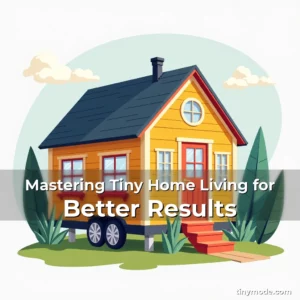
Embracing Simplicity: A Deep Dive into Tiny Home Living for Modern Minimalists
Tiny home living represents a radical shift away from conventional housing norms, embracing minimalism, sustainability, and intentional design. For many, it’s not merely about downsizing—it’s about redefining what it means to live intentionally.
This guide explores the philosophy behind tiny homes, their practical benefits, and the vibrant community that supports this movement. Whether you’re curious or considering making the leap, this journey will illuminate why fewer square feet mean fuller lives.
The Philosophy Behind Tiny Home Living
The core of tiny home living lies in prioritizing experiences over possessions. By reducing material clutter, individuals cultivate mindfulness and focus on what truly matters—relationships, personal growth, and connection to nature.
This approach aligns with modern values emphasizing sustainability and resilience. Smaller homes require fewer resources to build and maintain, significantly lowering carbon footprints while promoting self-sufficiency.
- Minimalist Mindset: Eliminating excess belongings fosters clarity and reduces decision fatigue, allowing residents to live more deliberately.
- Sustainable Impact: Compact dwellings consume less energy, water, and building materials, contributing to eco-friendly living practices.
Designing Your Dream Tiny Space
Creating functional tiny homes requires innovative design principles that maximize limited square footage. Every inch must serve dual purposes, blending aesthetics with utility seamlessly.
Crafting a personalized sanctuary involves thoughtful planning. From open-concept layouts to modular furniture, designers prioritize flexibility and adaptability to suit evolving needs.
Innovative Layout Strategies
Open floorplans enhance spatial perception, creating a sense of openness even in compact areas. These layouts encourage natural light flow and foster social interaction without visual barriers.
Vertical space utilization becomes essential. Loft beds, wall-mounted shelves, and ceiling-high cabinets transform otherwise wasted height into valuable storage solutions.
Financial Freedom Through Tiny Living
A primary allure of tiny homes is their affordability. Lower construction costs combined with decreased mortgage payments offer significant financial relief compared to traditional housing markets.
Additionally, maintenance expenses diminish substantially. With smaller interiors, cleaning routines become faster, and utilities bills shrink dramatically, freeing up income for travel, hobbies, or investments.
Cost Comparisons Across Regions
Data shows that average tiny home prices range from $30,000 to $80,000, depending on location and customization levels. In contrast, standard single-family homes typically exceed $250,000 in most urban centers.
Ongoing operational costs further illustrate savings. Monthly electricity usage averages 60% less than conventional homes, translating into hundreds of dollars saved annually on utility bills alone.
Navigating Legalities and Challenges
Potential adopters must carefully consider local regulations governing tiny homes. Zoning laws vary widely, influencing whether these structures qualify as residential units or accessory dwelling units (ADUs).
Obtaining necessary permits adds complexity. Researching municipal codes ahead of construction ensures compliance with safety standards related to electrical systems, plumbing, and structural integrity.
Resale Value Considerations
While some view tiny homes as investment opportunities, market dynamics differ from traditional real estate. Their niche appeal may limit liquidity when selling quickly, requiring strategic timing and marketing efforts.
However, certain regions exhibit strong demand among retirees seeking low-maintenance retirement options or young professionals desiring mobility-focused lifestyles.
Building Connections in the Tiny Lifestyle Community
The global tiny house movement thrives on shared knowledge and mutual encouragement. Online platforms connect enthusiasts worldwide, facilitating resource exchanges and collaborative projects.
Local chapters organize events ranging from skill-sharing workshops to weekend retreats focused on sustainable living techniques. These gatherings reinforce communal bonds central to successful tiny home transitions.
Fostering Support Networks
Newcomers benefit immensely from mentorship programs pairing experienced builders with novices. Such relationships provide invaluable guidance during both planning stages and post-move-in adjustments.
Digital forums host lively discussions covering topics from DIY insulation methods to navigating insurance policies tailored for unconventional residences.
Health Benefits of Simplified Living Spaces
Psychological research indicates that reduced household clutter correlates strongly with improved mood states and cognitive function. Tiny homes inherently promote organized environments conducive to mental wellness.
Physical activity increases naturally through daily chores involving small spaces. Activities like moving furniture or accessing overhead storage contribute positively to overall fitness levels.
Mental Health Correlations
Studies show occupants report higher satisfaction scores after transitioning to simpler living conditions. Reduced exposure to sensory overload from excessive decor enhances relaxation responses in brain scans.
Limited space encourages regular decluttering rituals, which alleviate anxiety symptoms associated with hoarding tendencies or fear of missing out (FOMO) culture prevalent in larger homes.
Environmental Stewardship Through Sustainable Choices
Tiny homes exemplify green architecture ideals by minimizing ecological footprints across various dimensions—from land use patterns to waste management strategies.
Eco-conscious residents often incorporate renewable energy sources like rooftop solar panels or rainwater harvesting systems integrated into foundational frameworks.
Carbon Footprint Reduction Metrics
On average, tiny homes produce approximately 40% fewer greenhouse gases annually than typical suburban houses. This decrease stems primarily from optimized heating/cooling demands and efficient appliance usage.
Recycling rates increase noticeably in tightly packed environments where sorting bins remain easily accessible. Residents develop habits favoring reuse over disposal automatically through proximity factors.
Overcoming Common Misconceptions About Small Spaces
Doubters frequently argue that tiny homes lack privacy or comfort features found in larger counterparts. However, creative engineering refutes these assumptions comprehensively.
Privacy concerns dissipate via soundproofing technologies applied strategically within walls and ceilings. Customizable partitions allow flexible configurations meeting diverse family size requirements.
Comfort Innovations in Micro Residences
Advanced ventilation systems ensure adequate air circulation despite confined volumes. Smart thermostats regulate temperature efficiently, preventing discomfort from extreme weather fluctuations.
Lighting design plays crucial roles too. LED strips placed thoughtfully mimic natural daylight cycles, improving circadian rhythms and enhancing perceived spaciousness visually.
Conclusion
Tiny home living offers profound transformations across economic, psychological, and environmental domains. Its appeal extends far beyond mere space optimization toward cultivating holistic life fulfillment.
To begin your own journey, visit tinymode.com today. Explore inspiring stories, join our supportive community, and discover resources guiding you toward designing your ideal micro-residence effortlessly.

news is a contributor at TinyMode. We are committed to providing well-researched, accurate, and valuable content to our readers.