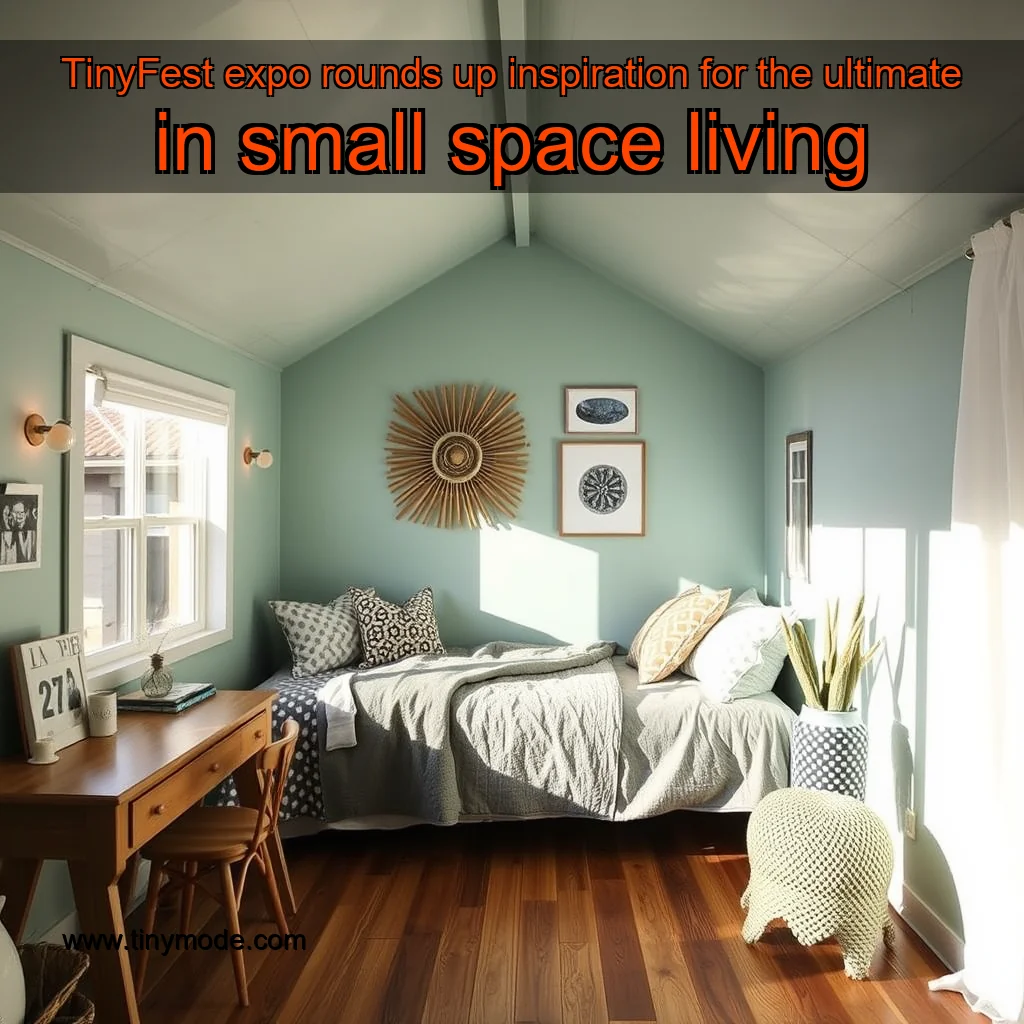
Tiny Homes and Micro Living
Tiny homes and micro living have become increasingly popular in recent years, driven by the desire for more sustainable and affordable housing options. These compact dwellings offer a unique blend of simplicity, efficiency, and affordability, making them an attractive choice for many individuals and families. Key characteristics of tiny homes and micro living: + Compact size (typically 100-400 square feet) + Simple, minimalist design + Energy-efficient and sustainable features + Affordable cost (often 20-50% less than traditional housing) + Flexibility and customization options Tiny homes and micro living are not just a trend; they are a viable alternative to traditional housing. With the rise of tiny home villages and intentional communities, these compact dwellings are becoming a staple of sustainable living.
Sustainable Living and Tiny Homes
Tiny homes and micro living are deeply connected to the principles of sustainable living. By reducing our environmental footprint and living more simply, we can make a positive impact on the planet.
Tiny homes on wheels gain mainstream acceptance as a viable alternative to traditional housing.
This is a significant development in the tiny house movement, as it provides a level of legitimacy and standardization for the industry.
The Rise of Tiny Homes on Wheels
Tiny homes on wheels (THOWs) have been around for decades, but they have gained significant popularity in recent years. The tiny house movement has been growing steadily, with more and more people seeking alternative, sustainable, and affordable housing options. THOWs offer a unique blend of portability, simplicity, and affordability, making them an attractive option for many.
Benefits of Tiny Homes on Wheels
The Journey Begins
Renée Seevers’ journey started with a simple question: “How can I live a more intentional life?” This inquiry led her to embark on a unique adventure, traveling the United States in her 87-square-foot self-contained home. The tiny home, which she affectionately called “The Tiny House,” was designed to be a mobile, self-sufficient dwelling that would allow her to explore the country while minimizing her environmental footprint.
The Challenges of Tiny House Living
Living in a tiny home presented numerous challenges for Renée. She had to carefully manage her resources, including food, water, and energy.
TinyFests also provide information about the tiny home lifestyle, including the benefits of minimalism, reduced environmental impact, and cost savings.
The Rise of TinyFests
TinyFests has become a leading platform for promoting the tiny home lifestyle and providing resources for those interested in downsizing to a smaller living space. Founded by Severs, the organization aims to provide a community for individuals to share their experiences, learn from each other, and gain insights into the benefits of tiny living.
Benefits of Tiny Living
Tiny living offers numerous benefits, including:
The Tiny Home Lifestyle
The tiny home lifestyle is not just about living in a small space; it’s about embracing a way of life that values simplicity, sustainability, and freedom. By adopting a minimalist approach to living, individuals can:
The festival will feature a range of innovative solutions, including:
The Evolution of Disaster Relief Housing
The disaster relief housing festival has undergone significant changes over the years, driven by the increasing number of professional builders entering the market. As the demand for disaster relief housing continues to grow, the festival has adapted to provide innovative solutions to address the complex needs of disaster victims.
The Rise of Modular and Prefabricated Homes
One of the key trends in disaster relief housing is the use of modular and prefabricated homes. These types of homes can be assembled on-site in a matter of days, providing a quick and efficient solution for disaster victims. For example, the city of Austin, Texas, has used modular homes to provide temporary housing for flood victims. The homes were assembled in a factory and then transported to the site, where they were assembled in just a few days. Modular homes can be designed to meet specific needs, such as providing additional storage or living space
Fire-Resistant Materials and Designs
Another key area of focus for the festival is fire-resistant materials and designs.
The Vision Behind Clever Tiny Homes
Clever Tiny Homes’ founders, a group of architects and engineers, were driven by a desire to create innovative, sustainable, and affordable housing solutions. They recognized the need for a more efficient and environmentally friendly approach to building homes, particularly in regions with high housing costs and limited land availability.
Key Features of Clever Tiny Homes
The Manufacturing Process
Clever Tiny Homes’ manufacturing process is designed to be efficient and sustainable. The company uses a combination of traditional construction methods and modern technology to build their homes.
Key Steps in the Manufacturing Process
The Benefits of ADUs
ADUs, or Accessory Dwelling Units, have become increasingly popular in recent years due to their numerous benefits. Here are some of the advantages of ADUs:
Roof and Realm’s ADU Solutions
Roof and Realm offers a range of ADU solutions that cater to different needs and preferences. Here are some of the features and benefits of their ADU models:
“We use a modular system that allows us to build in a factory, then transport the modules to the site and assemble them on-site.”
Modular Housing: A Faster, More Efficient Alternative
Benefits of Modular Construction
Modular housing offers several benefits over traditional construction methods. Some of the key advantages include:
How Modular Housing is Built
Modular housing is built in a factory, where the modules are constructed and assembled. The modules are then transported to the site and assembled on-site.
Fire survivors in Southern California are seeking restoration services to rebuild their lives after devastating fires.
The company has also received interest from other fire survivors in the Southern California area.
The Rise of Shahid’s Company
Shahid’s company, which specializes in fire restoration and damage repair, has experienced a significant surge in interest from LA fire survivors. This unexpected turn of events has led to a substantial increase in the company’s workload, as it strives to provide essential services to those affected by the devastating fires.
The Need for Fire Restoration Services
Fire restoration and damage repair are critical services that help individuals and families recover from the trauma of a fire. These services include:
The aftermath of a fire can be overwhelming, and the need for these services is often immediate.
Wilson’s vision for LifEscape Builders is to create homes that are not only functional but also environmentally friendly and sustainable.
The Vision Behind LifEscape Builders
LifEscape Builders is more than just a tiny home builder; it’s a reflection of the founder’s passion for sustainable living and her desire to create homes that are not only functional but also environmentally friendly. Maegan Wilson’s vision for the company is rooted in her childhood experiences growing up in a family of builders. She learned the ins and outs of the trade from her parents and developed a deep appreciation for the importance of building homes that are not only beautiful but also sustainable.
Key Features of LifEscape Builders’ Homes
The Process of Building a LifEscape Builders Home
The process of building a LifEscape Builders home is a collaborative effort between the founder, Maegan Wilson, and her team of skilled craftsmen.
This means that LifEscape can now build homes that are not only unique but also more durable and long-lasting.
The Customization Process
LifEscape’s approach to customization is centered around the customer’s needs and preferences.
The Tiny Home Village will feature over 100 tiny homes, ranging from 100 to 400 square feet, on display for attendees to explore. The event will also include a marketplace with local vendors selling handmade goods, food, and drinks.
The Tiny Home Village: A Showcase of Miniature Marvels**
TinyFest is a unique event that brings together tiny home enthusiasts, designers, and builders to showcase their creations in a fun and interactive way. The event features a vast array of tiny homes, each with its own unique character and charm. From cozy cottages to modern marvels, the Tiny Home Village is a must-visit attraction at TinyFest. Variety of Tiny Homes on Display
The Tiny Home Village is a showcase of miniature marvels, featuring over 100 tiny homes on display. Each home is carefully curated to reflect the creativity and ingenuity of its builder. Visitors can explore the homes, take note of the unique features and designs, and get inspiration for their own tiny home projects.
Guided Tours and Marketplace**
In addition to exploring the Tiny Home Village, attendees can also take part in guided tours led by The Tiny Home Lady, Lindsay Wood. These tours offer a deeper understanding of the tiny home lifestyle and provide valuable insights into the design and construction process. The guided tours are available for $119 per person and offer a unique perspective on the tiny home community.
The ADU models are designed to be energy-efficient and environmentally friendly.
Introduction
Tiny homes have become increasingly popular in recent years, offering a unique and sustainable way of living. With the rise of the tiny home movement, several companies have emerged to cater to the growing demand for these compact dwellings.
The company’s mission is to provide affordable, sustainable, and eco-friendly housing solutions for individuals and families.
The Rise of Tiny Homes
In recent years, the tiny home movement has gained significant traction, with many people seeking alternative housing options that are more environmentally friendly and cost-effective.

news is a contributor at TinyMode. We are committed to providing well-researched, accurate, and valuable content to our readers.