
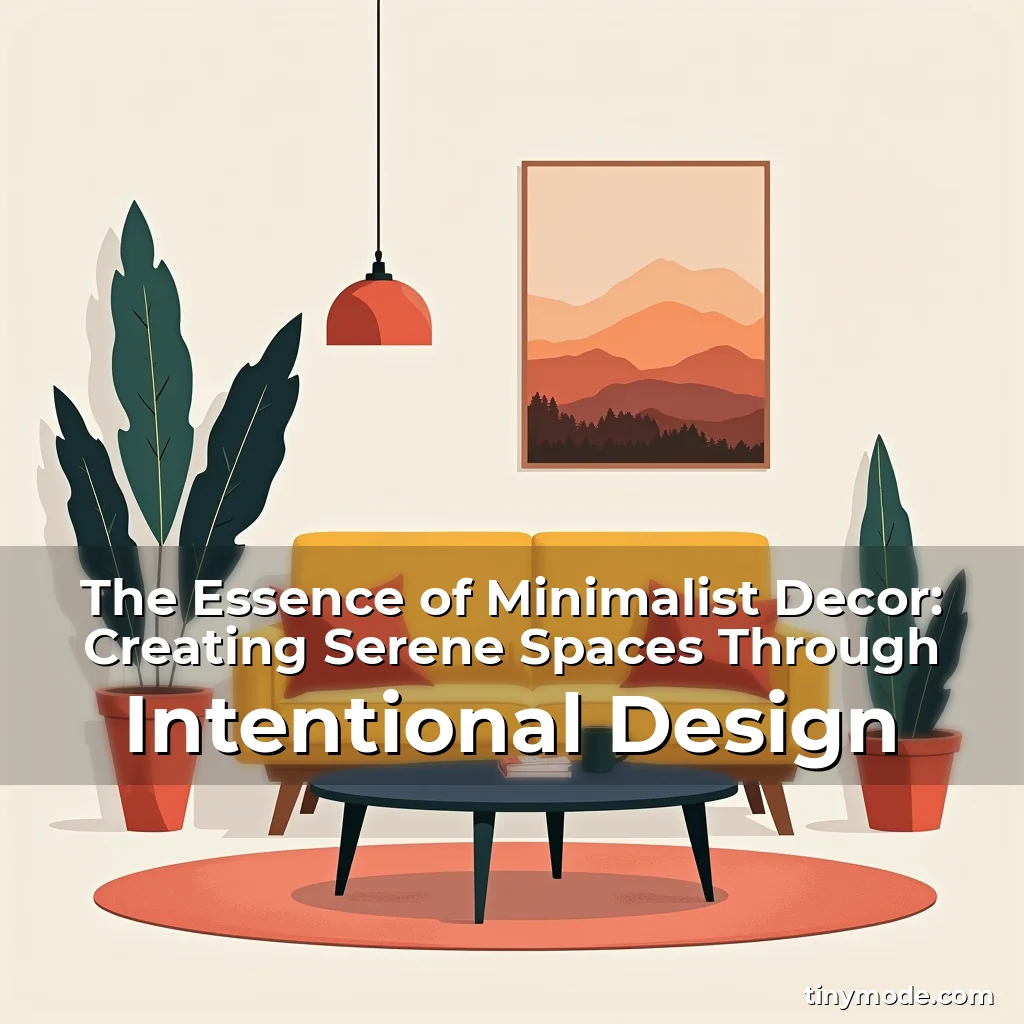
The Essence of Minimalist Decor: Creating Serene Spaces Through Intentional Design
In an era defined by visual overload and fast-paced living, minimalist decor has emerged as a powerful antidote to chaos. This design philosophy prioritizes simplicity, functionality, and intentionality, transforming spaces into sanctuaries that foster calmness and clarity.
At its core, minimalist decor is not about deprivation but rather strategic curation. It encourages individuals to thoughtfully select elements that enhance their quality of life while eliminating unnecessary clutter from both physical environments and mental landscapes.
The Philosophy Behind Minimalism in Interior Design
Minimalist design originates from Japanese aesthetics known as wabi-sabi, which finds beauty in imperfection and transience. This principle extends beyond mere decoration; it influences how we interact with our surroundings daily.
Modern minimalism adapts these ancient ideals through contemporary lenses, focusing on clean lines, neutral palettes, and open floor plans that promote natural light flow across living areas. The result is spaces that feel expansive yet intimate at once.
- Simplicity: Emphasizes uncluttered surfaces free from superfluous objects that distract from primary functions.
- Functionality: Prioritizes furniture pieces that serve dual purposes, such as storage ottomans or fold-out desks.
Essential Principles Guiding Modern Minimalist Interiors
A successful minimalist space relies on three fundamental pillars: balance between form and function, thoughtful use of negative space, and mindful selection of materials.
Balance ensures every decorative element contributes meaningfully without overwhelming viewers visually. For instance, pairing sleek metal fixtures with soft textiles creates harmony through contrast.
Beyond Aesthetics: The Psychological Benefits
Research indicates that minimalist interiors significantly reduce stress levels among occupants. Studies published in the Journal of Environmental Psychology show lower cortisol rates in participants exposed to simplified environments compared to those surrounded by excessive ornamentation.
This psychological benefit stems from reduced cognitive load when navigating tidy spaces. With fewer distractions, minds can concentrate better on tasks requiring attention span and creativity alike.
Crafting Your Own Minimalist Space: Practical Steps
Begin your journey towards intentional living by conducting a thorough inventory assessment of current possessions. Identify items that no longer bring joy or serve practical purposes during this process.
Implement KonMari-style decluttering techniques where you decide what keepsakes hold sentimental value versus what merely occupies room without contributing positively to your lifestyle.
Selecting Furniture That Reflects Minimalist Values
Furniture choices play crucial roles in defining overall ambiance within any given area. Opt for low-profile sofas and modular seating arrangements that encourage social interaction without consuming too much real estate.
Choose multifunctional furniture whenever possible—think convertible couches serving as guest beds overnight or dining tables doubling up as workstations during weekdays.
Color Schemes & Material Choices for Harmonious Designs
Neutral color schemes dominate minimalist interiors due to their calming effects on human psyche. Shades ranging from warm greiges to cool whites create versatile backdrops adaptable enough for various seasonal updates.
Materials selected should reflect sustainability values often associated with modern minimalists who prioritize eco-friendly options over mass-produced alternatives. Natural woods, recycled metals, and organic fabrics align well with these preferences.
Lighting Strategies To Enhance Open Feelings In Rooms
Proper lighting is essential component in achieving desired atmosphere within minimalist settings. Layer different types—including ambient, task, and accent lights—to maintain flexibility depending upon time-of-day activities taking place indoors.
Natural daylight plays vital role here; maximize window sizes wherever feasible while using sheer curtains allowing soft illumination throughout day cycles without glare issues arising from direct sunlight exposure.
Accessories And Accents That Add Personality Without Clutter
While keeping things simple might seem restrictive initially, there are numerous ways to infuse personal style through carefully chosen accessories. Focus solely on statement pieces that resonate deeply rather than collecting many small trinkets scattered around home.
Vaulted ceilings combined with pendant lamps hanging above kitchen islands become focal points worthy of admiration without feeling cramped or chaotic. Similarly, abstract art prints mounted strategically add character without overpowering minimalist themes established elsewhere inside residence.
Maintaining Longevity Of Your Minimalist Lifestyle
Sustaining long-term commitment requires regular reassessments regarding belongings kept within living quarters. Schedule periodic reviews to ensure nothing accumulates silently behind closed doors nor gathers dust unnoticed under furniture legs.
Develop routines involving mindful purchasing habits wherein new acquisitions only occur after deliberate consideration about necessity versus desire factors influencing decisions made frequently throughout year.
Common Pitfalls To Avoid When Practicing Minimalism At Home
One frequent mistake involves attempting complete emptiness rather than curated simplicity. Leaving rooms devoid entirely lacks warmth necessary for making them feel inviting despite aesthetic appeal achieved via bare walls alone.
Over-reliance on monochrome tones may also lead towards dull atmospheres unless balanced properly through texture variations introduced via rugs, cushions, or even plants placed intentionally throughout interior layouts designed following minimalist principles closely.
Conclusion
Embracing minimalist decor transforms everyday living experiences by cultivating environments conducive toward peace, productivity, and purposeful engagement with immediate surroundings.
By implementing discussed strategies consistently—and remembering that true minimalism lies somewhere between extreme austerity and luxurious abundance—you’ll discover newfound appreciation for simpler lifestyles centered around meaningful connections instead material excessiveness.