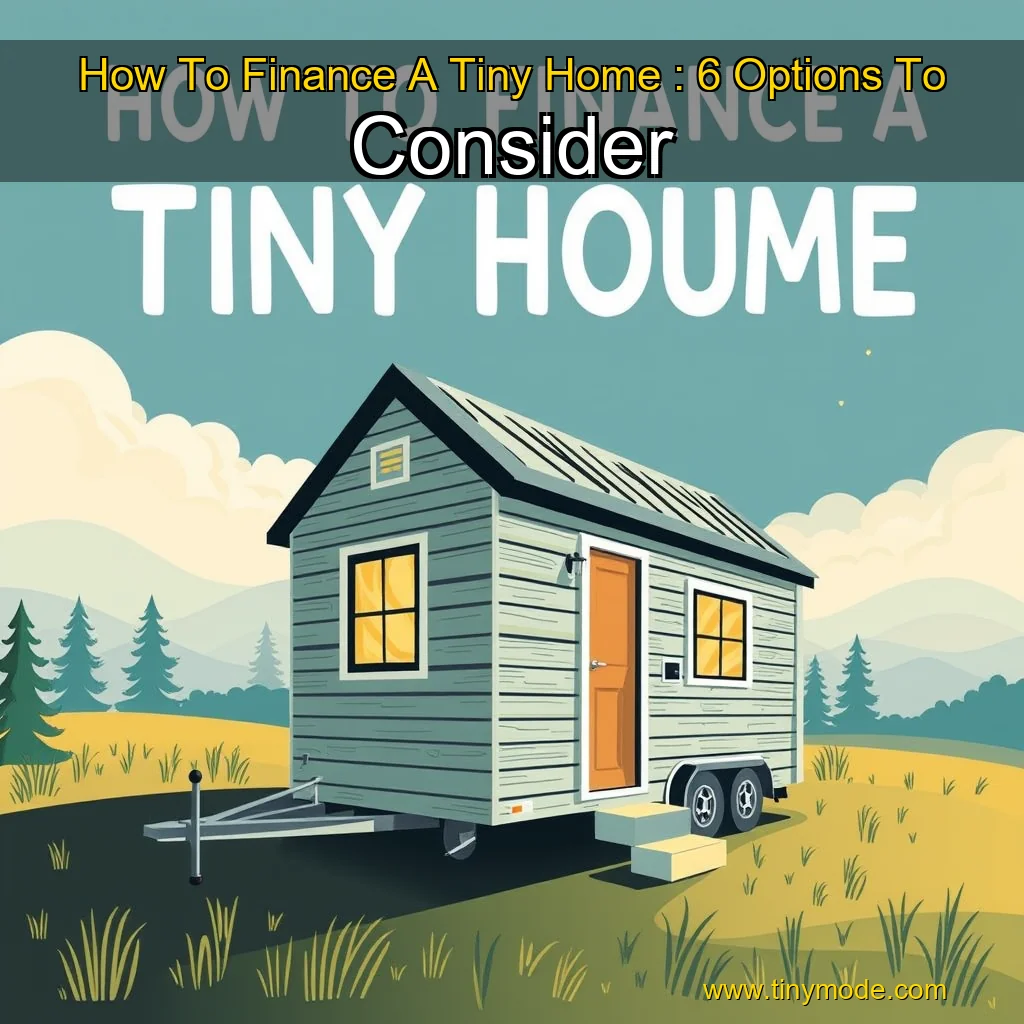
These homes are typically between 100 and 400 square feet in size, and are designed to be compact, efficient, and sustainable.
The Benefits of Tiny Living
Tiny living offers numerous benefits for individuals and families looking to downsize and simplify their lives. Some of the most significant advantages include:
The Challenges of Tiny Living
While tiny living offers many benefits, it also presents several challenges. Some of the most significant drawbacks include:
Embracing the Tiny Home Lifestyle for a Simpler, More Sustainable Way of Living.
The Rise of Tiny Homes
Tiny homes have gained popularity in recent years, with many people opting for these compact dwellings due to their affordability, sustainability, and flexibility. The tiny home movement has been driven by a desire for simplicity, minimalism, and a more environmentally friendly lifestyle.
Key Benefits of Tiny Homes
This is due to the high cost of materials and labor required to build such compact spaces.
The Benefits of Tiny Homes
Tiny homes offer numerous benefits, including:
The Challenges of Tiny Homes
While tiny homes offer many benefits, they also come with some challenges:
These loans are often unsecured, meaning you don’t need to put up collateral to secure the loan.
Types of Personal Loans for Tiny Homes
There are several types of personal loans that can be used to finance a tiny home. Some of the most common types include:
Understanding the Impact of Credit Scores on Personal Loans
A good credit score is essential for securing a personal loan with a favorable interest rate. In fact, the average personal loan interest rate is over 12 percent, which can significantly increase the overall cost of borrowing. On the other hand, a good credit score can help you qualify for lower interest rates, making your loan more affordable. Key factors that affect credit scores include: + Payment history (35% of credit score) + Credit utilization (30% of credit score) + Length of credit history (15% of credit score) + Credit mix (10% of credit score) + New credit (10% of credit score)
The Benefits of a Good Credit Score
A good credit score can bring numerous benefits, including:
Choosing the Right Loan Option
If your credit history has a few blemishes, you may be better off choosing a secured loan with a lower interest rate.
This is because tiny homes are often seen as a desirable feature, and many people are willing to pay a premium for the convenience and space of a tiny home.
Benefits of Adding a Tiny Home
Adding a tiny home to your property can have numerous benefits. Some of the most significant advantages include:
Increased Property Value
One of the most significant benefits of adding a tiny home is the increase in property value.
Lower interest rates and flexible repayment terms make HELOCs an attractive option for tiny home financing.
Benefits of HELOCs for Tiny Home Financing
HELOCs offer several benefits for DIY tiny home financing. These benefits include:
Understanding the Repayment Terms
When it comes to HELOCs, repayment terms can vary depending on the lender and the borrower. However, most HELOCs have a fixed interest rate and a repayment period of 5-10 years. This allows borrowers to make monthly payments that fit their budget.
It’s essential to research and compare the financing options available from different builders to find the best fit for your needs.
Financing Options for Tiny House Builders
Understanding the Financing Landscape
Tiny house builders offer a range of financing options to help make their homes more affordable and accessible to a wider audience. These options can vary significantly from one builder to another, and it’s crucial to research and compare the different financing terms and rates offered by each manufacturer or builder.
Key Features of Financing Options
Researching and Comparing Financing Options
To find the best financing option for your needs, it’s essential to research and compare the financing terms and rates offered by different builders. Here are some tips to consider:
Understanding Tiny Home Financing Options
When it comes to tiny home financing, there are several options available, but it’s essential to understand the terms and conditions of each before applying. Here are some key points to consider:
Financing Options for Tiny Homes
Traditional Mortgage Options
Traditional mortgage options are not typically available for tiny homes, as they are not considered to be permanent structures. However, some lenders may offer alternative mortgage options, such as:
Alternative Financing Options
There are several alternative financing options available for tiny homes, including:
You may need to pay for additional permits and inspections. You can also consider the resale value of your tiny house.
Understanding the Costs of Tiny Homes
When considering the purchase of a tiny home, one of the most significant expenses to factor in is the cost of land. This can be a major hurdle for many potential buyers, as the cost of land can be prohibitively expensive in some areas. However, it’s essential to consider the long-term benefits of owning a tiny home, including lower utility bills and reduced maintenance costs. Some tiny home owners choose to purchase land specifically for their tiny home, while others opt to boondock or park their tiny home on public or private property.
Understanding the Costs of Building a Home
Building a home can be a complex and costly process, with numerous factors to consider. One of the most significant expenses is the cost of land acquisition, which can vary greatly depending on location, zoning laws, and other factors.
Land Acquisition Costs
Construction Costs
Financing Options
Tiny home financing frequently asked questions

news is a contributor at TinyMode. We are committed to providing well-researched, accurate, and valuable content to our readers.