You are currently viewing How to finance a tiny home
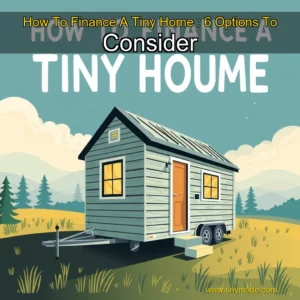
Representation image: This image is an artistic interpretation related to the article theme.

How to finance a tiny home

Financing Options for Tiny Homes

Tiny homes are small and often portable houses that allow you to maximize your living space in a tiny footprint. When it comes to financing a tiny home purchase, there are several options available. Here are some of the most common financing options:

  • Personal Loans: Personal loans are a popular option for financing tiny homes. These loans are unsecured, meaning you don’t need to put up any collateral. However, they often come with higher interest rates and fees. Home Equity Loans: Home equity loans are a type of loan that allows you to borrow money using the equity in your home. This option is ideal for those who already own a home and want to finance a tiny home. Mortgages: Mortgages are a type of loan that allows you to borrow money to purchase a home. Tiny homes can be financed through a mortgage, but they often require a lower loan-to-value ratio. * Tiny Home Loans: Tiny home loans are specifically designed for tiny homes. These loans often have lower interest rates and fees compared to traditional loans. ## Understanding the Loan-to-Value Ratio**
  • Understanding the Loan-to-Value Ratio

    The loan-to-value ratio is an important factor to consider when financing a tiny home. This ratio represents the percentage of the home’s value that you’re borrowing. Here are some general guidelines to keep in mind:

  • Low Loan-to-Value Ratio: A low loan-to-value ratio can help you qualify for better interest rates and terms.

    This can include loans, grants, and other forms of financial assistance.

    Types of Tiny Home Financing Options

    There are several types of tiny home financing options available. Here are some of the most common ones:

  • Personal Loans: These are unsecured loans that can be used to finance a tiny house.

    Types of Loans for Tiny Homes

    1. Personal Loans

  • Interest Rates: 6-36% APR**
  • Repayment Terms: 1-7 years**
  • Eligibility: Good credit score, income, and employment history**
  • Pros: Flexibility in repayment terms, no prepayment penalties**
  • Cons: Higher interest rates, potential for debt accumulation**
  • Personal loans can be a viable option for tiny home purchases, but it’s essential to weigh the pros and cons carefully. With interest rates ranging from 6-36% APR, personal loans can be a costly option. However, they offer flexibility in repayment terms, which can be beneficial for those who need time to save up for a down payment.

    2. Home Equity Loans

  • Interest Rates: 4-12% APR**
  • Repayment Terms: 5-15 years**
  • Eligibility: Homeownership, good credit score**
  • Pros: Lower interest rates, tax-deductible interest**
  • Cons: Requires existing home equity, potential for debt accumulation**
  • Home equity loans can be a good option for those who already own a home and have built up equity.

    Understanding RV Loan Options

    When considering an RV loan, it’s essential to understand the various options available. Here are some key factors to consider:

  • Fixed-rate vs. Variable-rate loans: Fixed-rate loans offer a fixed interest rate for the entire loan term, while variable-rate loans have an interest rate that can change over time. Loan term: The length of the loan can significantly impact the total interest paid. Longer loan terms often result in higher interest payments. Down payment: The amount of the down payment can affect the loan amount and interest rate.

    With a HELOC, you can draw on the funds as needed, making it a more flexible option for those who need to access cash quickly.

    Types of Second Mortgages

    There are several types of second mortgages available, each with its own set of benefits and drawbacks. Here are some of the most common types:

  • Home Equity Loan: A lump sum payment is made to the lender, and the borrower must repay the loan, plus interest, over a set period of time (usually 5-15 years).

    This is significantly higher than the average mortgage interest rate of 4.5% as of August 2024. Using a credit card to pay for your tiny home can lead to a cycle of debt that is difficult to escape.

    The Benefits of Financing Your Tiny Home

    Financing your tiny home can be a great way to make your dream a reality.

    Understanding Your Credit Score

    Your credit score is a three-digit number that represents your creditworthiness. It’s calculated based on your payment history, credit utilization, length of credit history, credit mix, and new credit inquiries. A good credit score can help you qualify for better loan terms and lower interest rates. Factors that affect your credit score include: + Payment history (35% of the total score) + Credit utilization (30% of the total score) + Length of credit history (15% of the total score) + Credit mix (10% of the total score) + New credit inquiries (10% of the total score)

    Types of Loans for Tiny Homes

    There are several types of loans available for tiny homes, including:

  • Conventional loans
  • FHA loans
  • VA loans
  • USDA loans
  • Personal loans
  • Each type of loan has its own set of requirements and benefits.

    Credit scores determine interest rates, so maintaining a good one is crucial for saving money on loans.

    Understanding the Importance of Credit Scores

    Credit scores are a crucial aspect of personal finance, and they play a significant role in determining the interest rates you’ll qualify for when borrowing money. A good credit score can help you save money on interest payments, while a poor credit score can lead to higher interest rates and more stringent loan terms.

    How Credit Scores Are Calculated

    Credit scores are calculated based on a combination of factors, including:

  • Payment history (35%): On-time payments, late payments, and accounts sent to collections. Credit utilization (30%): The amount of credit used compared to the credit limit. Length of credit history (15%): The age of your oldest account and the average age of all accounts. Credit mix (10%): The variety of credit types, such as credit cards, loans, and mortgages. New credit (10%): New accounts, inquiries, and credit applications. ### The Impact of Credit Scores on Interest Rates*
  • The Impact of Credit Scores on Interest Rates

    A good credit score can help you qualify for lower interest rates, which can save you money on interest payments over the life of the loan.

    Understanding Your Customized Loan Rates

    When you apply for a loan, you’ll typically be presented with a range of interest rates. However, not all lenders offer the same rates, and some may have more competitive options than others. To get a better sense of what you can expect, it’s essential to understand how customized loan rates work.

    How Customized Loan Rates Are Calculated

    Customized loan rates are calculated based on a variety of factors, including:

  • Your credit score
  • Loan amount
  • Loan term
  • Property type
  • Location
  • These factors can significantly impact the interest rate you’ll qualify for. For example, a borrower with a higher credit score may qualify for a lower interest rate, while a borrower with a lower credit score may be offered a higher rate.

    Factors That Affect Customized Loan Rates

    Here are some key factors that can influence your customized loan rate:

  • Credit score: A good credit score can lead to lower interest rates, while a poor credit score can result in higher rates. Loan amount: Larger loan amounts may qualify for lower interest rates, but they also increase the risk for the lender. Loan term: Shorter loan terms typically result in lower interest rates, while longer terms may lead to higher rates. Property type: Different types of properties, such as single-family homes or investment properties, may have varying interest rates. Location: Interest rates can vary depending on the location, with some areas having more competitive rates than others.

    Make sure you have a clear understanding of the loan terms, including the interest rate, loan amount, and repayment schedule. Be aware of any fees associated with the loan, such as origination fees, late payment fees, and prepayment penalties. Review the loan agreement to know when your payments are due.

    Embracing the Tiny Home Lifestyle for a Simpler, More Sustainable Way of Living.

    Here are some key benefits of tiny homes:

    Benefits of Tiny Homes

  • Affordability: Tiny homes are often priced lower than traditional houses, making them an attractive option for those on a tight budget. Low Maintenance: Tiny homes require less maintenance than traditional houses, as they have fewer square feet to clean and maintain. Sustainability: Tiny homes are often built with sustainable materials and are designed to be energy-efficient, reducing the carbon footprint of the owner. * Flexibility: Tiny homes can be placed on wheels, allowing owners to easily move them to different locations. ## Types of Tiny Homes**
  • Types of Tiny Homes

  • Tiny House on Wheels: A tiny house built on a trailer, allowing owners to easily move it to different locations. Tiny House on a Foundation: A tiny house built on a permanent foundation, providing more stability and security.

    This is especially true if you’re planning to relocate to a new area or if you need to downsize your living space.

    The Benefits of Tiny Homes

    Tiny homes offer numerous benefits that make them an attractive option for many people. Here are some of the advantages of tiny homes:

  • Affordability: Tiny homes are often significantly cheaper than traditional houses, making them an attractive option for those on a budget. Sustainability: Tiny homes are typically built with eco-friendly materials and are designed to be energy-efficient, reducing the carbon footprint of the owner. Flexibility: As mentioned earlier, tiny homes can be easily moved, making them ideal for those who need to relocate or downsize their living space. * Simplified Living: Tiny homes encourage a simpler way of living, with fewer possessions and a greater emphasis on what’s truly important. ## The Challenges of Tiny Homes**
  • The Challenges of Tiny Homes

    While tiny homes offer many benefits, there are also some challenges to consider:

  • Limited Space: Tiny homes are, by definition, small, which can make it difficult to accommodate all of your belongings. Zoning Regulations: Many areas have zoning regulations that prohibit tiny homes, making it difficult to find a place to park or build a tiny home. Financing: Tiny homes can be difficult to finance, as they are not considered traditional housing.

    This is due to several factors, including the novelty of tiny homes, the limited availability of land, and the lack of standardization in the tiny home industry.

    The Tiny Home Market: Understanding the Challenges

    The tiny home market is a rapidly growing industry, with many people turning to tiny homes as a more affordable and sustainable living option. However, this growth has also brought about several challenges that tiny home owners need to be aware of.

    Challenges in the Tiny Home Market

  • Limited availability of land: One of the biggest challenges facing tiny home owners is the limited availability of land. Many cities and towns have zoning laws that prohibit tiny homes, making it difficult for owners to find a place to park their homes. Lack of standardization: The tiny home industry is not standardized, which can make it difficult for buyers to know what they’re getting. This lack of standardization can also make it difficult for tiny home owners to sell their homes. Novelty factor: Tiny homes are still a relatively new concept, and many people are not familiar with them. This novelty factor can make it difficult for tiny home owners to find buyers or renters. * Depreciation: Tiny homes can depreciate just like a car, which can make them a less attractive investment option. ## The Impact of Depreciation on Tiny Home Owners**
  • The Impact of Depreciation on Tiny Home Owners

    Depreciation can have a significant impact on tiny home owners, particularly those who are looking to sell their homes.

    The Financial Benefits of Tiny House Living

    Living in a tiny house can be a cost-effective way to own a home. Here are some of the financial benefits of tiny house living:

  • Lower utility bills: Tiny houses typically require less energy to heat and cool, resulting in lower utility bills. Reduced maintenance costs: With a smaller living space, there is less to maintain, which means lower costs for repairs and replacements. Lower property taxes: Tiny houses are often considered personal property, which means they are subject to lower property taxes. Lower mortgage payments: Tiny houses can be purchased for a fraction of the cost of a traditional single-family home, resulting in lower mortgage payments. ## The Cost of a Tiny House
  • The Cost of a Tiny House

    The cost of a tiny house can vary widely depending on the size, materials, and features.

    However, there are some exceptions and alternatives available.

    Tiny Home Mortgage Options

    While traditional mortgages may not be an option for tiny homes, there are alternative financing options available.

    This article was edited by Laura Grace Tarpley.

    news

    news is a contributor at TinyMode. We are committed to providing well-researched, accurate, and valuable content to our readers.
    Leave a Reply