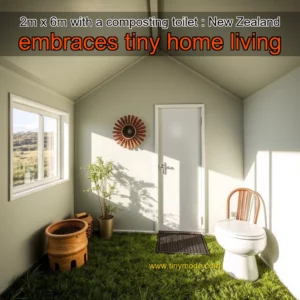
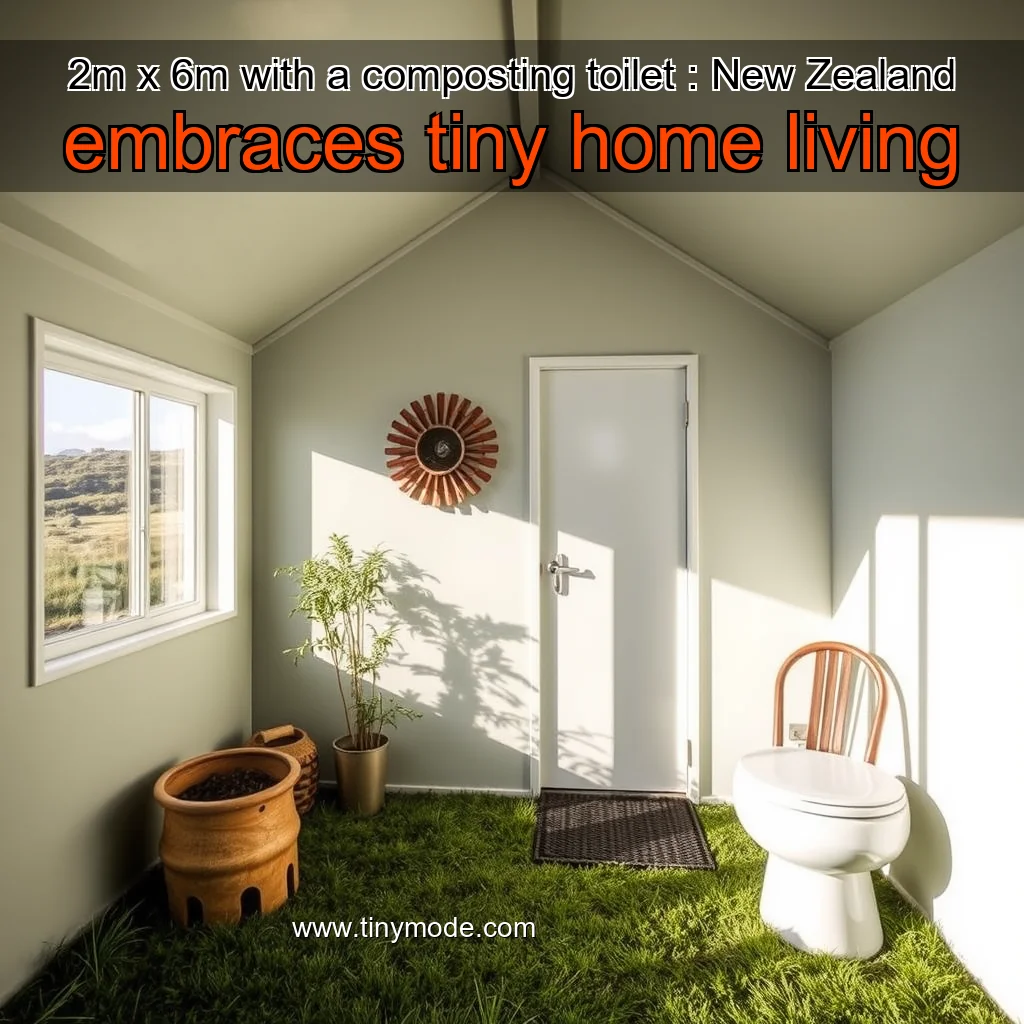
It’s a cozy, 24 square meter space that Liberty has designed and built herself.
The Tiny Home Movement
The tiny home movement has gained significant attention in recent years, with many people embracing the idea of downsizing and living more sustainably. This lifestyle choice is not only environmentally friendly but also offers numerous benefits for individuals, such as reduced housing costs and increased freedom. Key benefits of tiny homes:
- Reduced housing costs
- Increased freedom and flexibility
- Simplified living
- Environmental sustainability
- 6m x 4m floor plan
- 4m tall
- Solar panel system
- Rainwater harvesting system
- Insulated and dry walls
- One of the primary reasons people are choosing tiny homes is for affordability reasons. The cost of living in New Zealand is high, and many people are finding it difficult to afford traditional housing. Tiny homes offer a more affordable option, with prices ranging from $30,000 to $100,000 or more, depending on the size and features. In addition to affordability, tiny homes are also becoming increasingly popular due to their environmental benefits. By living in a smaller space, individuals can reduce their carbon footprint and live more sustainably. ## The Benefits of Tiny Homes*
- Tiny homes are designed to be space-efficient, with a focus on maximizing storage and minimizing waste. This means that tiny home owners can live comfortably in a much smaller space than they would in a traditional home. For example, a tiny home might have a loft bedroom, a compact kitchen, and a bathroom that doubles as a shower. ### Flexibility and Mobility*
- Tiny homes are highly portable, making them ideal for people who want to travel or move frequently.
Tiny homes are becoming increasingly popular as a sustainable and affordable housing option.
The Rise of Tiny Homes
The tiny home movement has been gaining momentum globally, with many countries experiencing a surge in tiny home ownership. In the US, for example, the tiny home industry has grown by over 20% in the past year alone. Similarly, in Europe, tiny homes are becoming increasingly popular, with many countries seeing a significant increase in tiny home sales.
Key Statistics
- The global tiny home market is projected to reach $4 billion by The average tiny home size is around 200-300 square feet. 75% of tiny home owners say they chose this lifestyle for environmental reasons.
She then looked into tiny homes and eventually settled on a 12-foot-wide, 24-foot-long, 12-foot-high home that she shares with her tiny home community.
The Allure of Micro-Home Living
For many, the idea of living in a tiny home is a tantalizing prospect. The freedom to downsize, the simplicity of a smaller space, and the potential for a more sustainable lifestyle are all major draws.
The Challenges of Moving a House
Moving a house can be a daunting task, but Rowntree’s experience highlights the complexities involved. The process requires careful planning, physical labor, and financial investment. Here are some of the key challenges she faced:
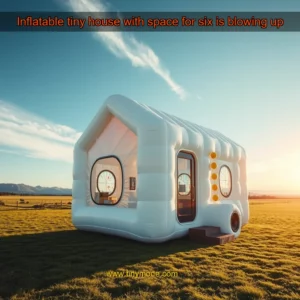
You Might Also Enjoy: Inflatable tiny house with space for six is blowing up - Logistical Challenges: Rowntree had to navigate the complexities of moving a large structure, including finding a suitable truck, hiring a crane, and coordinating with movers. Physical Demands: Moving a house requires significant physical labor, including lifting, carrying, and maneuvering heavy objects. Financial Burden: The cost of moving a house can be substantial, with expenses including hiring professionals, renting equipment, and covering travel costs.
Regina Speer, a 39-year-old artist, has been living in a rented tiny home for the own her own tiny home in 2023. She designed it herself, wanting an affordable and environmentally-friendly housing option.
The Tiny Home Movement
The tiny home movement has gained significant attention in recent years, with many people seeking alternative housing options that are more sustainable and affordable. The movement has been driven by a desire to reduce waste, live more simply, and reconnect with nature. Key benefits of tiny homes: + Affordable: Tiny homes are often significantly cheaper than traditional houses, with prices ranging from $20,000 to $50,000. + Environmentally friendly: Tiny homes are designed to be energy-efficient and use minimal resources, reducing waste and carbon emissions. + Flexibility: Tiny homes can be easily moved or relocated, making them ideal for people who need to travel or work remotely.
Regina Speer’s Tiny Home Design
Regina Speer, a 39-year-old artist, has been living in a rented tiny home for several years. However, she has now decided to design and build her own tiny home, which she plans to move into in 2023. Key features of Regina’s tiny home design: + Sustainable materials: Regina has chosen to use sustainable materials, such as reclaimed wood and bamboo, to build her tiny home. + Energy-efficient systems: Regina has installed energy-efficient systems, such as solar panels and a rainwater harvesting system, to reduce her carbon footprint.
The property is a rare find in the 1950s, with only a handful of homes in the area that match its size and scale.
The Unassuming Home of Speer
Speer’s home is a rare gem in the 1950s Christchurch architecture. Its unassuming exterior belies the grandeur and elegance that lies within. The property’s unique blend of modern and traditional elements creates a sense of intrigue, making it a standout in the neighborhood.
The Architectural Style
Speer’s home is a prime example of the “New Zealand Modern” style, characterized by clean lines, minimal ornamentation, and an emphasis on functionality. The property’s design is a testament to the architectural movement’s focus on simplicity, comfort, and practicality.
The Importance of Reevaluating Space Requirements
In today’s world, where space is becoming increasingly scarce and expensive, it’s essential to reexamine our space requirements. As Van Voorthuysen notes, “people should reexamine how much room they really need.” This mindset shift is crucial in optimizing our living and working spaces, reducing waste, and promoting sustainability.
The Consequences of Overestimating Space Needs
- Overestimating space needs can lead to:
- Higher costs: Building or renovating a larger space than needed can result in significant financial burdens. Increased waste: Excess space can lead to unnecessary materials, energy consumption, and waste generation. Environmental impact: The production and disposal of excess materials contribute to environmental degradation. ### The Benefits of Reevaluating Space Requirements
- Reduced costs: By reevaluating space needs, individuals and organizations can:
- Optimize space usage: Identify areas where space can be repurposed or reduced, leading to cost savings. Improve efficiency: Streamline operations and reduce waste, resulting in increased productivity and competitiveness. Environmental benefits: By reducing excess space, we can:
- Decrease material consumption: Lower demand for materials reduces the environmental impact of production and disposal. Minimize waste generation: Reduced space requirements lead to less waste, contributing to a more sustainable future. ### Practical Strategies for Reevaluating Space Requirements*
- Conduct a space audit: Assess current space usage and identify areas for improvement. Implement flexible workspaces: Encourage flexible work arrangements, such as remote work or co-working spaces, to reduce the need for dedicated office space.
news is a contributor at TinyMode. We are committed to providing well-researched, accurate, and valuable content to our readers.
You May Also Like
Liberty’s Tiny Home
Liberty’s tiny home is a testament to the possibilities of this lifestyle. With a total living area of 24 square meters, it’s a cozy space that’s perfect for a single person or a couple. The dwelling is designed to be energy-efficient, with features such as a solar panel system and a rainwater harvesting system. Key features of Liberty’s tiny home:
Building a Tiny Home
Building a tiny home requires careful planning and consideration. It’s essential to research and understand the local building regulations and zoning laws before starting the project. Additionally, it’s crucial to choose the right materials and design a space that meets your needs and lifestyle.
The Rise of Tiny Homes in New Zealand
In recent years, tiny homes have become increasingly popular in New Zealand, with many people opting for the compact living arrangements. According to a recent survey, over 10,000 Kiwis have chosen to downsize their lives and live in tiny homes. This trend is not limited to a specific age group or demographic, with people from all walks of life embracing the tiny home lifestyle.