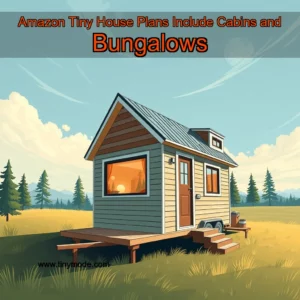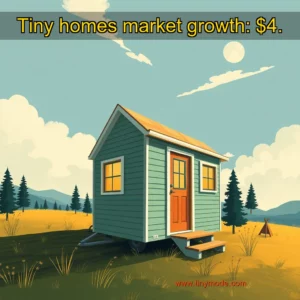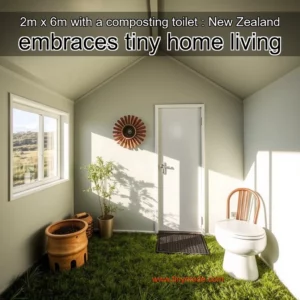
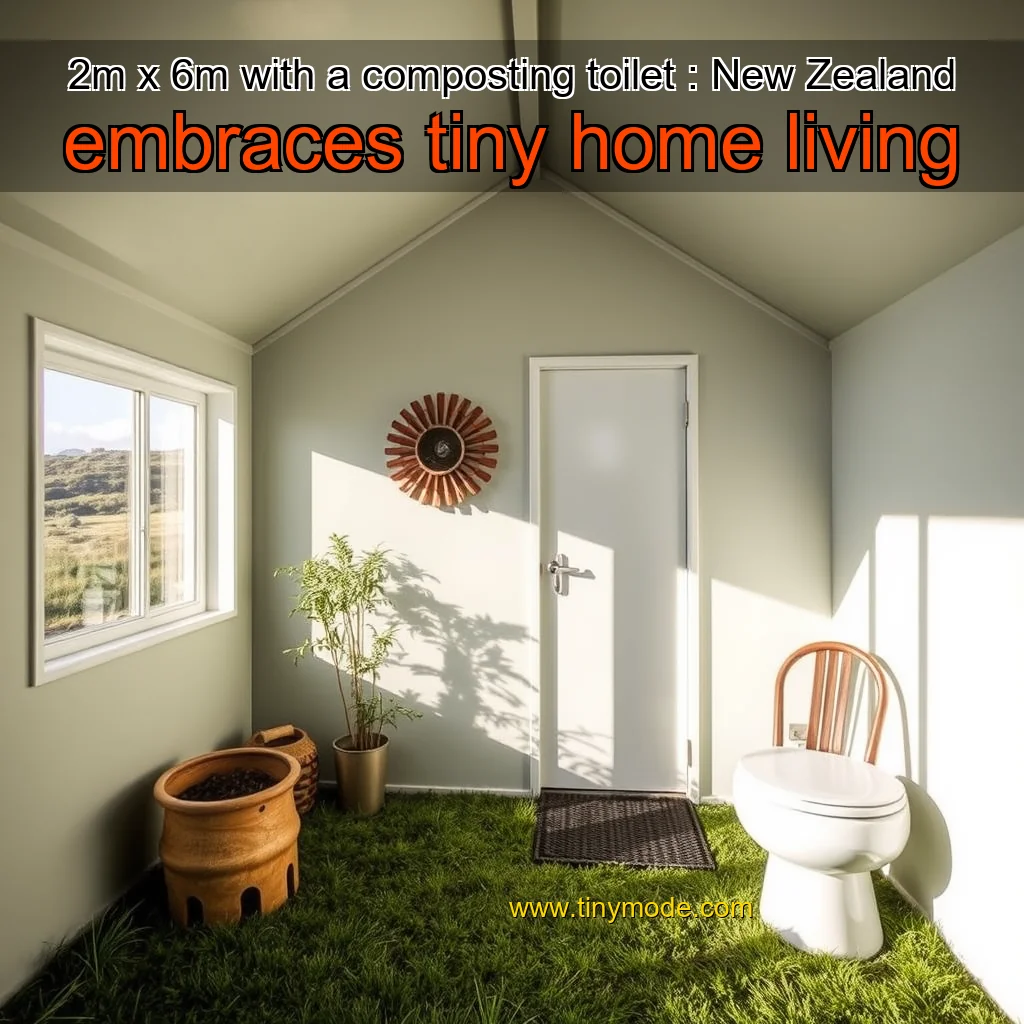
Two years ago, when New Zealand school teacher Liberty Van Voorthuysen was looking for a much-needed break from teaching, she ditched her classroom and signed up for a free construction course. Van Voorthuysen had set herself a fairly low bar: learn how to use power tools. But she left with much more – the skills to build her own tiny home. The 34-year-old bought the shell of a small house, parked it in a Nelson paddock at the top of the South Island, installed solar panels and added a composting toilet. The dwelling measures 6m x 2.4m and is 4m tall. The space took a bit of getting used to and the outdoor shower is “pretty gnarly in winter,” Van Voorthuysen says. But she has learned to be resourceful.
The Rise of Tiny Homes in New Zealand
In recent years, tiny homes have become increasingly popular in New Zealand, with many people opting for the compact living arrangements. According to a recent survey, over 10,000 New Zealanders now live in tiny homes, with the number expected to continue growing. This trend is driven by a desire for affordability, sustainability, and a simpler way of life.
Affordability and Financial Benefits
One of the primary reasons people are turning to tiny homes is the significant cost savings. The average cost of a tiny home in New Zealand is around $50,000 to $70,000, which is a fraction of the cost of a traditional house. This affordability is particularly appealing to first-home buyers, retirees, and those looking to downsize. By living in a tiny home, individuals can save thousands of dollars per year on mortgage payments, property taxes, and maintenance costs. Some of the financial benefits of tiny homes include:
Sustainability and Environmental Benefits
While affordability is a significant draw for many, others are choosing tiny homes for their environmental benefits. By living in a smaller space, individuals can significantly reduce their carbon footprint and contribute to a more sustainable lifestyle.
Tiny homes offer a sustainable, affordable, and flexible alternative to traditional housing.
The Rise of Tiny Homes
The tiny home movement has been gaining momentum globally, with many countries experiencing a surge in tiny home ownership. In the US, for example, the tiny home market is expected to reach $15 billion by 2025, with an estimated 1 million tiny homes in circulation. In Europe, tiny homes are becoming increasingly popular, particularly in countries like Germany and France, where they are seen as a sustainable and affordable housing option.
Benefits of Tiny Homes
So, what makes tiny homes so appealing? Here are some of the key benefits:
The tiny home is 12 feet by 8 feet, with a loft bedroom and a bathroom. Kate says she loves the freedom and independence that comes with living in a tiny home.
The Tiny Home Revolution
The tiny home movement has been gaining momentum over the past decade, with more and more people opting for smaller, more sustainable living spaces. This shift towards minimalism and simplicity is driven by a desire for freedom, independence, and a reduced environmental impact.
Benefits of Tiny Homes
Kate’s tiny home is a perfect example of the benefits of tiny living.
The Challenges of Moving a House
Moving a house can be a daunting task, but Rowntree’s experience highlights the complexities involved. The process requires careful planning, physical labor, and financial investment. In this article, we will explore the challenges of moving a house and how Rowntree overcame them.
Preparing for the Move
Before the move, Rowntree had to prepare her home for transport. This involved disassembling furniture, packing boxes, and labeling them. She also had to clear out her garage and attic, which required a significant amount of time and effort. Disassembling furniture was a challenge, as some pieces were too heavy or complex to move on their own. Packing boxes was a time-consuming task, but Rowntree used a system to ensure everything was accounted for. Labeling boxes was crucial to ensure they were unloaded at the correct location.
Hiring Professionals
Rowntree knew she couldn’t do everything on her own, so she hired professionals to help with the move. She hired a crane to lift her house onto a truck, which was a significant investment. However, it was worth it to ensure a safe and successful move. Hiring a crane was a costly option, but it was necessary to avoid damage to the house or the truck.
The Rise of Tiny Homes
Tiny homes have gained popularity in recent years, especially among young adults and environmentally conscious individuals. The concept of tiny homes has been around for decades, but it has gained significant traction in the past few years. According to a survey by the National Association of Home Builders, the tiny home market has grown by 20% in the past year alone. Key statistics: + 1 in 5 Americans consider tiny homes as a viable housing option + The average tiny home costs between $30,000 to $50,000 + Tiny homes can be up to 400 square feet in size
The Benefits of Tiny Homes
Tiny homes offer several benefits, including:
Regina Speer’s Tiny Home Journey
Regina Speer’s journey into tiny home living began with renting a tiny home in Christchurch. She was drawn to the affordability and sustainability of tiny homes, but soon realized that she wanted to design her own.
The property is a rare find in the historic district, with only a handful of homes remaining from the 19th century.
A Rare Find in the Historic District
The property at 1A St Asaph Street is a rare gem in the heart of Christchurch’s historic district. With its unique blend of Victorian and Edwardian architectural styles, the home exudes a sense of nostalgia and charm.
The Importance of Reevaluating Space Requirements
In today’s world, where space is becoming increasingly scarce, it’s essential to reexamine our space requirements. As Van Voorthuysen notes, “people should reexamine how much room they really need.” This mindset shift is crucial in optimizing our living and working spaces, reducing waste, and promoting sustainability.
The Consequences of Overestimating Space Needs
- Higher construction costs
- Increased energy consumption
- Greater environmental impact
- Reduced flexibility and adaptability
For instance, consider a company that builds a large office space, only to find that it’s underutilized due to the remote work arrangement. This scenario highlights the importance of reassessing our space requirements to ensure they align with our actual needs.
The Benefits of Reevaluating Space Requirements
- Cost savings
- Increased efficiency
- Improved sustainability
- Enhanced flexibility and adaptability
By reexamining our space requirements, we can create more efficient and sustainable spaces that meet our needs while minimizing waste.

news is a contributor at TinyMode. We are committed to providing well-researched, accurate, and valuable content to our readers.