The Rise of Tiny Homes
Tiny homes have become increasingly popular in recent years, with many people opting for smaller, more sustainable living spaces. The tiny home movement is driven by a desire for simplicity, affordability, and environmental sustainability. With the average cost of a traditional home exceeding $300,000, tiny homes offer an attractive alternative for those looking to downsize and reduce their ecological footprint.
Key Features of Tiny Homes
TinyFest California
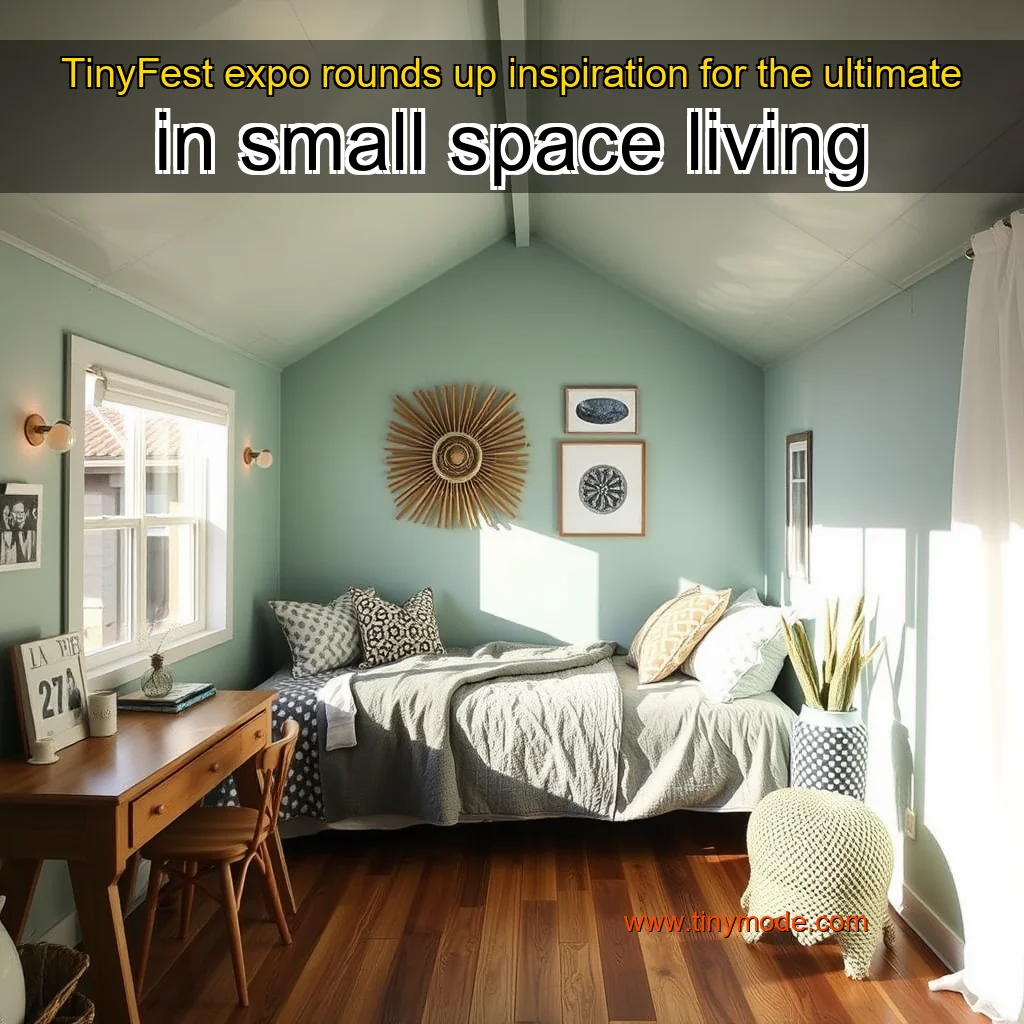
TinyFest California is a unique event that brings together tiny home enthusiasts, builders, and experts to share knowledge and showcase innovative tiny home designs.
Tiny homes on wheels are gaining popularity as a simple, sustainable, and affordable alternative to traditional housing.
This is a significant development in the tiny home movement.
The Rise of Tiny Homes on Wheels
Tiny homes on wheels (THOWs) have been gaining popularity over the past decade. These compact dwellings are designed to be portable and can be easily moved from one location to another. The tiny home movement has been driven by a desire for simplicity, sustainability, and affordability.
Key Features of THOWs
The Importance of State Approval and Certification
In recent years, professional THOW builders have begun to obtain state approval and certification for their tiny homes.
She was the first woman to do so. She was also the first woman to travel the entire western U.S. in a tiny home. She completed her journey in 2016.
The Journey Begins
Renée Seevers’ journey started in 2012, when she decided to leave her corporate job to pursue her passion for tiny home living. She had always been fascinated by the idea of living simply and sustainably, and she saw tiny homes as the perfect solution. With a small budget and a lot of determination, Renée set out to build her own tiny home on wheels.
Designing the Perfect Home
Renée spent months designing and building her 87-square-foot home, which she named “The Tiny Traveler.” She wanted her home to be functional, comfortable, and stylish, with all the amenities she needed to live comfortably on the road. Here are some of the features she included:
The Journey Takes Off
In 2013, Renée set off on her journey, traveling to tiny home festivals and events across the western United States. She was the first woman to do so, and she quickly gained a following of like-minded individuals who were inspired by her adventure.
TinyFests also provide information about the tiny home lifestyle, including the benefits of minimalism, sustainability, and community building.
The Rise of TinyFests
TinyFests has become a leading platform for promoting the tiny home lifestyle and providing resources for those interested in downsizing to a smaller living space.
Factory-built homes are revolutionizing the housing market with speed, efficiency, and sustainability.
The Rise of Modular Construction
The festival has become a platform for innovative builders to showcase their work, and this year’s event is no exception. With the increasing demand for sustainable and efficient housing solutions, modular construction has emerged as a game-changer in the industry. Modular construction involves building homes in a factory, where the components are assembled and then transported to the building site.
Tiny homes are revolutionizing the way we think about housing, but at what cost?
The Rise of Tiny Homes
The tiny home movement has been gaining momentum over the past decade, with more and more people seeking alternative housing options. The benefits of tiny homes include reduced living expenses, increased mobility, and a more sustainable lifestyle. However, the industry has faced criticism for its lack of regulation and environmental impact.
High-Volume Assembly-Line Manufacturing
Clever Tiny Homes is pioneering a new approach to tiny home manufacturing using high-volume assembly-line production. This method allows for the rapid production of identical units, reducing costs and increasing efficiency. By using a single-model design with limited customization, Clever Tiny Homes can produce up to 10 tiny homes per day. Key benefits of high-volume assembly-line manufacturing: + Reduced costs + Increased efficiency + Rapid production of identical units + Limited customization
Environmental Impact
While high-volume assembly-line manufacturing can reduce costs and increase efficiency, it also raises concerns about the environmental impact of mass production. The use of materials, energy consumption, and waste generation are all potential issues that need to be addressed. Potential environmental concerns: + Material usage and waste generation + Energy consumption + Transportation emissions
Shipping and Delivery
Clever Tiny Homes ships their completed tiny homes from San Diego to Mexico, initially all on wheels. This approach allows for easy transportation and deployment, but also raises questions about the long-term viability of shipping tiny homes.
The Modular Home Advantage
Modular homes have several advantages over traditional stick-built homes. Some of the benefits include:
The Roof and Realm Advantage
Roof and Realm is a modular home builder that specializes in building single-family homes, ADUs, and commercial structures.
“The factory-based construction process allows for more efficiency and precision, which reduces the time it takes to complete the home.”
The Benefits of Modular Homes
Modular homes offer numerous benefits, making them an attractive option for many homeowners. Here are some of the advantages of modular homes:
The family, who wish to remain anonymous, had to rebuild their home from scratch after the devastating fire destroyed their property.
Wilson’s vision for LifEscape Builders is to create homes that are not only functional but also environmentally friendly and sustainable.
The Vision Behind LifEscape Builders
LifEscape Builders is more than just a tiny home builder; it’s a reflection of its founder’s passion for sustainability and environmental responsibility.
Custom Homes for Every Lifestyle, Built to Last.
The Customization Process
LifEscape’s unique selling point is its ability to create homes tailored to each customer’s needs and preferences. The company’s team of experts works closely with clients to understand their requirements and design a home that meets their lifestyle and budget. This personalized approach allows LifEscape to offer a wide range of customization options, including:
The Benefits of Customization
The benefits of LifEscape’s customization process are numerous.
The event will feature over 100 tiny homes, ranging from 100 to 400 square feet, on display at the fairgrounds. The event will also include a marketplace, food vendors, and live music.
The Tiny Home Movement: A Celebration of Small Living
TinyFest is a unique event that celebrates the tiny home movement, a growing trend that emphasizes simplicity, sustainability, and community. The event is a must-visit for anyone interested in tiny homes, minimalism, and alternative living.
History of Tiny Homes
The tiny home movement has its roots in the 1960s and 1970s, when the counterculture movement emphasized simplicity and self-sufficiency. However, it wasn’t until the 2000s that the modern tiny home movement began to take shape. The rise of social media platforms like Instagram and YouTube helped to popularize tiny homes, making them more accessible and desirable to a wider audience.
Benefits of Tiny Homes
So, what are the benefits of tiny homes? Here are just a few:
The prices are competitive with other ADU manufacturers, but the quality and customization options are unparalleled.
The Rise of Accessory Dwelling Units (ADUs)
The concept of Accessory Dwelling Units (ADUs) has gained significant traction in recent years, particularly among homeowners looking to create additional living spaces or rental income streams.
The company’s mission is to provide affordable, sustainable, and eco-friendly housing options for individuals and families.
The Benefits of Tiny Homes
Tiny homes have gained popularity in recent years due to their numerous benefits. Some of the advantages of tiny homes include:
The Process of Building a Tiny Home
Building a tiny home with LifEscape Builders Inc. involves several steps:

news is a contributor at TinyMode. We are committed to providing well-researched, accurate, and valuable content to our readers.