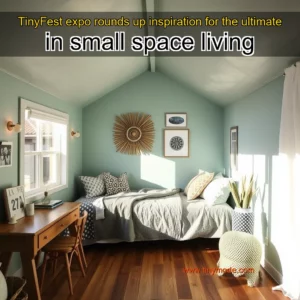
It’s a cozy, 24m² space that has been fully equipped with all the necessary amenities for a comfortable living.
The Tiny Home Movement
The tiny home movement has been gaining popularity worldwide, with many people embracing the idea of downsizing and living more sustainably. The movement is driven by a desire to reduce one’s environmental footprint, save money, and live more simply.
Benefits of Tiny Homes
Liberty’s Tiny Home
Liberty’s tiny home is a testament to the potential of this movement. The 24m² space is fully equipped with all the necessary amenities, including a kitchen, bathroom, and bedroom.
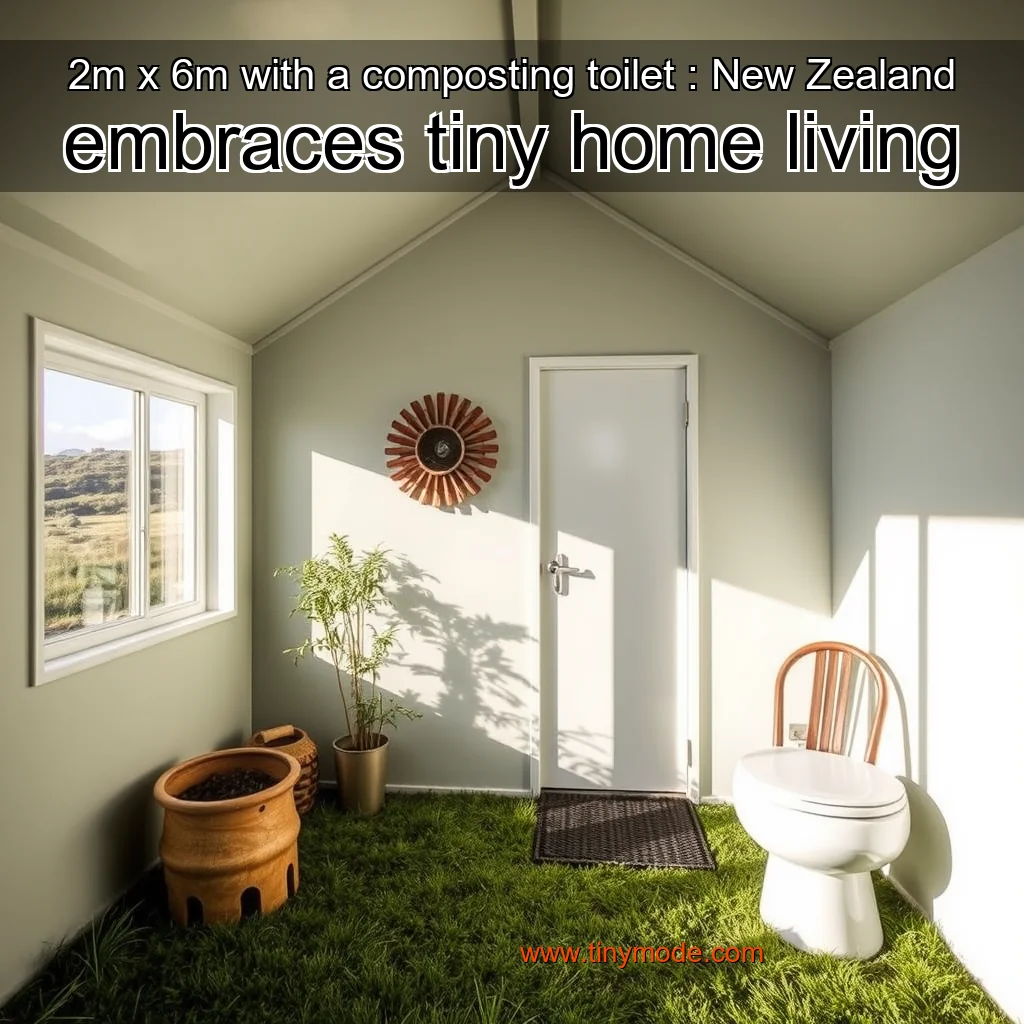
Tiny homes are gaining popularity in New Zealand as a sustainable and environmentally friendly option for living.
The Rise of Tiny Homes in New Zealand
New Zealand has seen a significant increase in the number of people choosing to live in tiny homes. According to a recent survey, over 10,000 Kiwis have opted for tiny homes, with many more considering the option. This trend is not limited to a specific age group or demographic, with people from all walks of life embracing the tiny home lifestyle.
Environmental Benefits
tiny homes are becoming increasingly popular worldwide, with a growing demand for affordable and sustainable housing options.
The Rise of Tiny Homes
The tiny home movement has been gaining momentum globally, with many countries experiencing a surge in tiny home ownership. In the US, for example, the tiny home industry has grown by 20% annually, with over 100,000 tiny homes sold in 2020 alone.
The tiny home is equipped with a kitchenette, bathroom, and bedroom. Kate has been able to save money on rent and utilities by living in the tiny home.
The Benefits of Tiny Homes
Living in a tiny home like Kate’s can have numerous benefits for individuals and families. Some of the advantages include:
Kate’s Experience
Kate’s experience living in her tiny home is a great example of the benefits of this lifestyle. She has been able to save money on rent and utilities, which has given her more freedom to pursue her passions and interests. Reduced expenses: Kate has been able to save money on rent, which has allowed her to allocate more funds to her hobbies and interests. Increased flexibility: Kate’s tiny home has given her the freedom to travel and explore new places, which has been a great source of inspiration and personal growth.*
The Challenges of Tiny Homes
While living in a tiny home can be beneficial, it’s not without its challenges. Some of the difficulties include:
She has also had to deal with the weight of the house and the cost of moving it. Rowntree has also had to deal with the logistics of moving a house, including finding a suitable location for the house and arranging for the transportation of the house.
The Challenges of Moving a House
Moving a house can be a daunting task, especially when it comes to the logistics of transporting the house itself. For Rowntree, the experience was not only physically demanding but also emotionally challenging. She had to navigate the complexities of moving a large structure, including finding a suitable location for the house and arranging for the transportation of the house.
The Logistics of Moving a House
Moving a house requires careful planning and execution.
The Rise of Tiny Homes
Tiny homes have gained popularity in recent years, especially among young adults and environmentally conscious individuals. The concept of tiny homes is simple: a small, portable dwelling that is typically between 100 and 400 square feet. These homes are often built on wheels and can be easily moved to different locations.
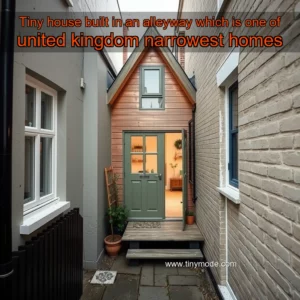
The property is a rare example of a 19th-century Victorian-era home in the city.
A Rare Find: Speer’s 19th-Century Victorian-Era Home
In the heart of Christchurch, a hidden gem lies waiting to be discovered. Tucked away on a quiet block west of the city, Speer’s home is a rare example of a 19th-century Victorian-era residence. This stunning property boasts an impressive size, measuring 3m wide, 6.8m long, and 4.2m high, making it a true standout in the city’s architectural landscape.
A Piece of History
Speer’s home is a testament to the city’s rich history, dating back to the 19th century. The property’s unique blend of architectural styles and ornate details make it a true treasure for history buffs and architecture enthusiasts alike. With its intricate woodwork, ornate plasterwork, and beautifully crafted windows, Speer’s home is a masterclass in Victorian-era design.
A Rare Find
What makes Speer’s home truly special is its rarity.
The Importance of Reevaluating Space Requirements
In today’s world, where space is becoming increasingly scarce, it’s essential to reassess our space requirements. According to Van Voorthuysen, people should reexamine how much room they really need. This mindset shift is crucial in optimizing our living and working spaces.
The Consequences of Overestimating Space Needs
- Higher costs for construction and renovation
- Increased energy consumption and waste
- Reduced flexibility and adaptability
- A greater environmental impact
For instance, consider a company that builds a large office space with plenty of room for employees to work and collaborate. However, the company’s actual needs are much smaller, and the space remains underutilized.

news is a contributor at TinyMode. We are committed to providing well-researched, accurate, and valuable content to our readers.